Cliquez ici pour le version francais
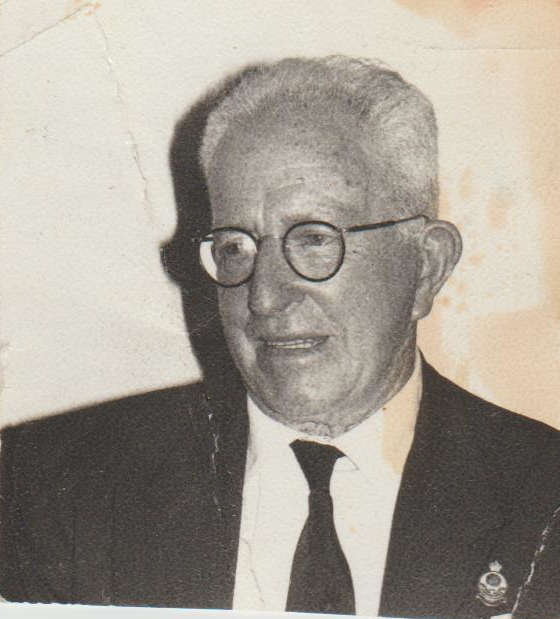
There are alternate permutations of the name: Robert Edward Ernest Pocock and Robert Ernest Edward Pocock.
Sgt Pocock's company is sometimes referred to as No. 1 company in the 3rd Divisional Train, No. 22 company in the 3rd Divisional Train or No. 867 Company. These are all the same company.
Sgt Pocock was a Baptist. His eldest son, Walter Ernest Pocock, married into a Catholic family.
State of Victoria - Births, Deaths and Marriages
National Archives of Australia: Record Search for 10768 or Robert Pocock
Australian War Memorial, 3rd Divisional Train diaries
He was born 17 July 1882
Sgt Pocock's birth certificate has the full name Robert Ernest Edward Pocock. Look out for alternate permutations of his name on subsequent documents. His tombstone only has the name Robert Edward Pocock.
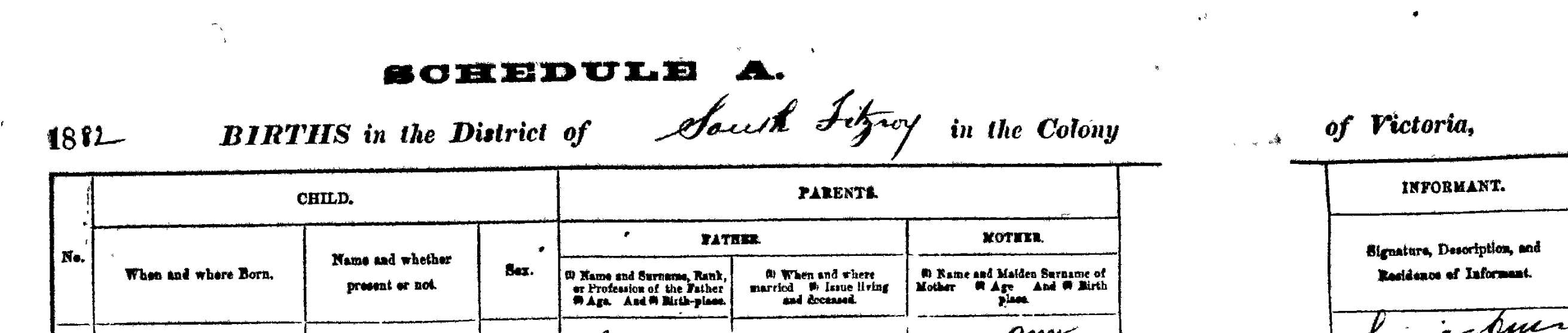
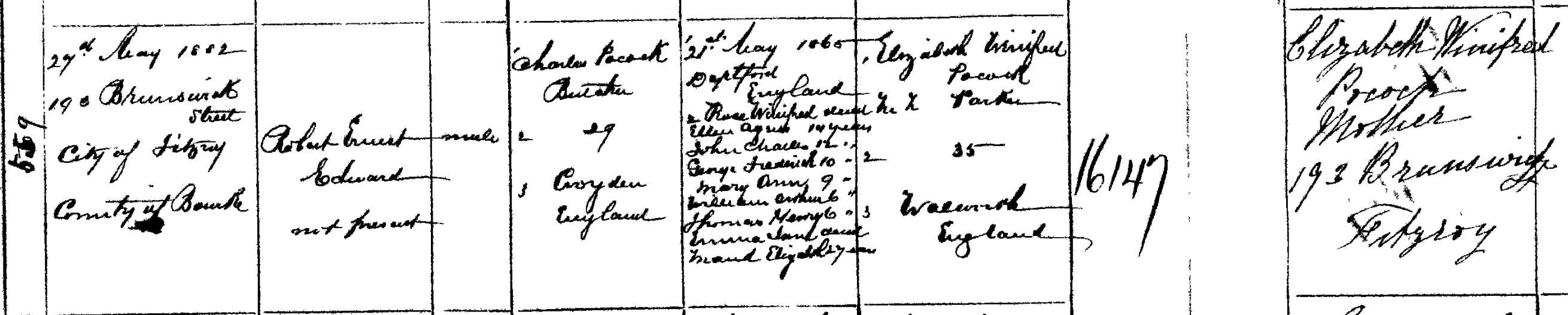
He was born at 193 Brunswick Street, Fitzroy. In 2016, the premises was acquired by Bon Ap' Petit Bistrot, a French restaurant. The founders are Damien Desbois (Brittany / Bretagne), Francoise Lowe (Arcachon, near Bordeaux) and Sebastien Carmona (Toulouse). In an interview on SBS, Monsieur Desbois tells us he also has a chef, Kevin, from Marseille.

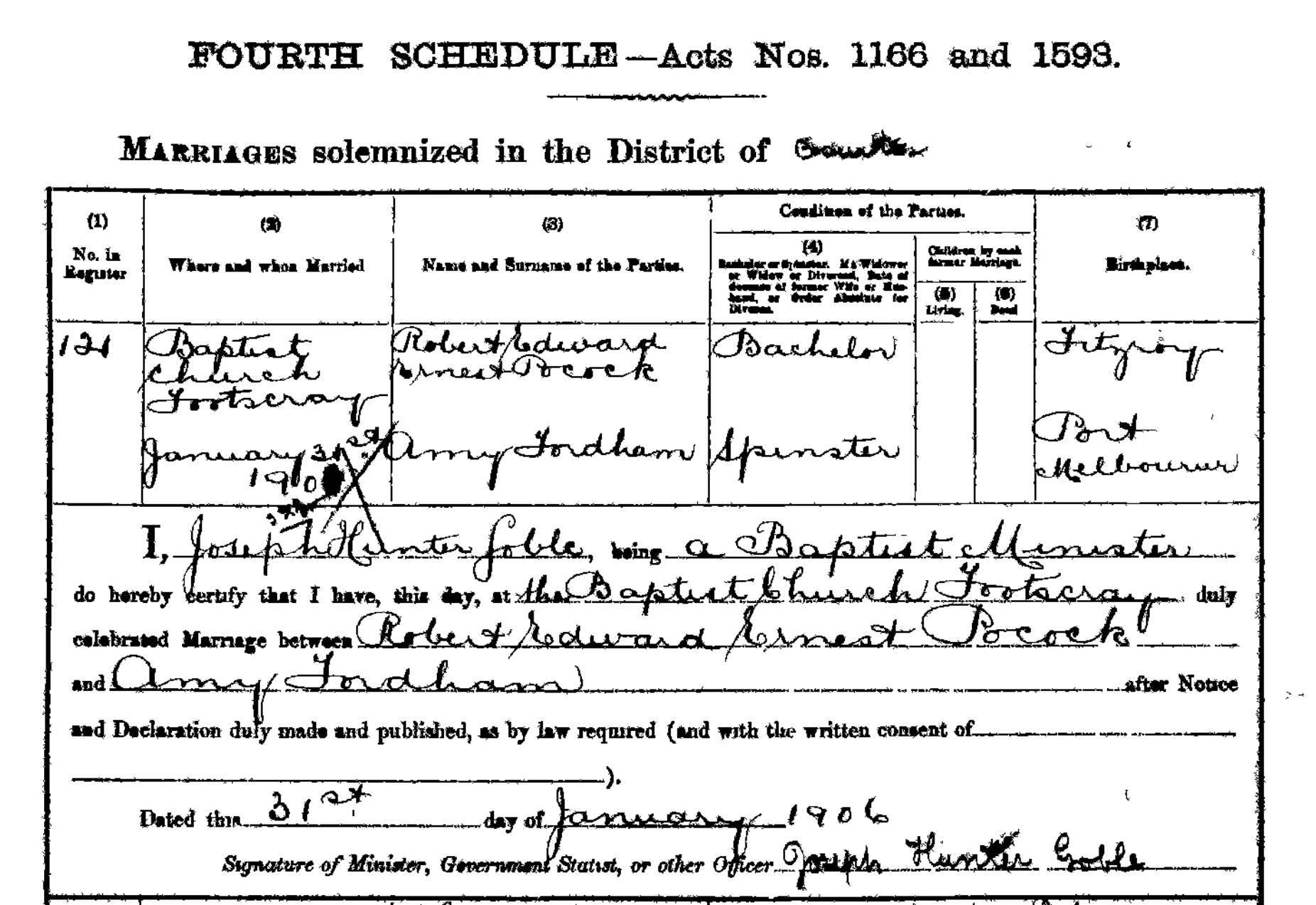
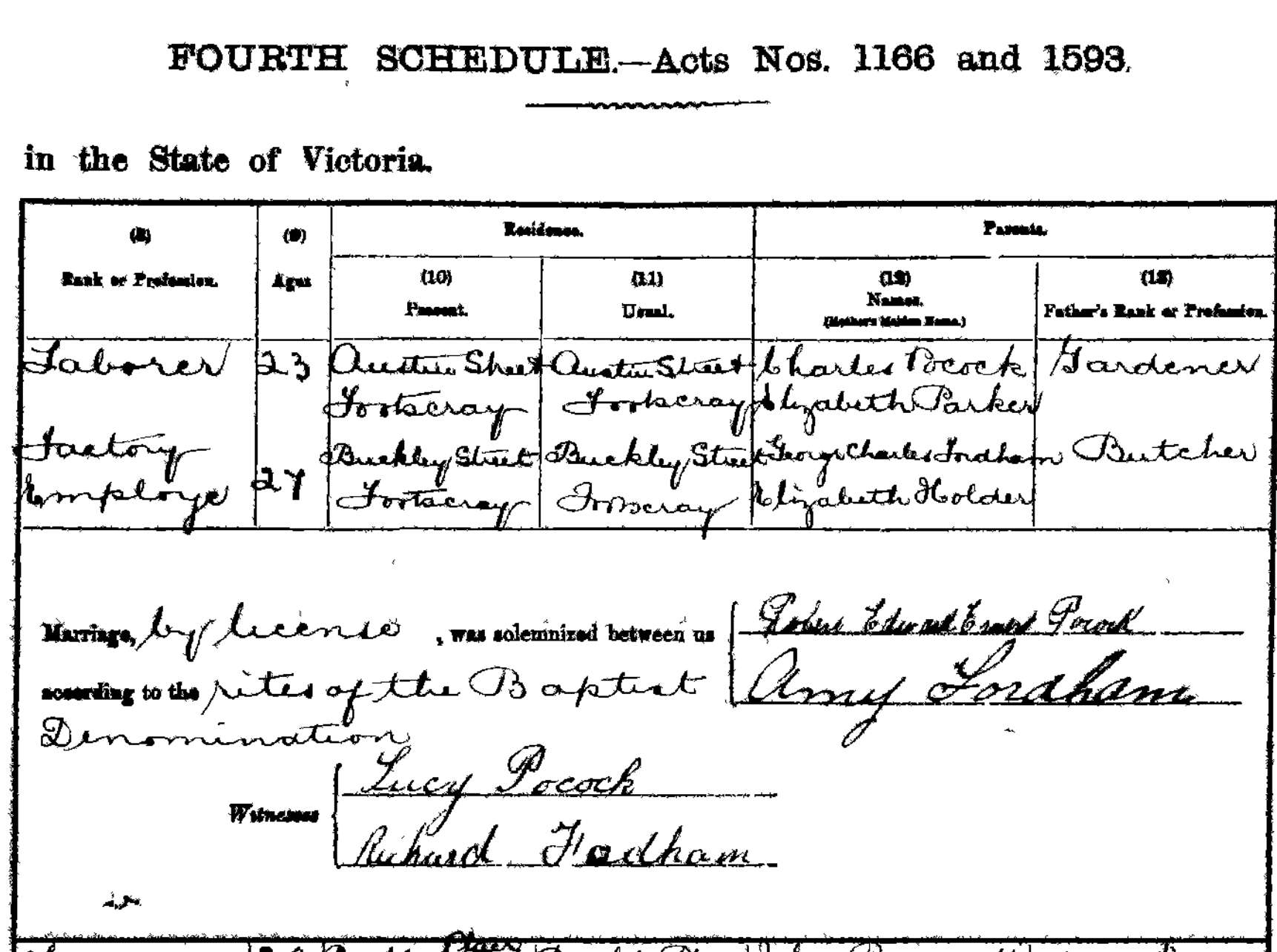
31 January 1906, Robert Pocock (age 23) married Amy Selina Fordham (age 27) in the Footscray Baptist Church. The ceremony was performed by the well known pastor Joseph Hunter Goble.
Robert Pocock's profession is listed as a laborer while Amy is a factory employee.
Birth, death and marriage certificates in the early Australian colonies are some of the most detailed in what was then the British Empire. The marriage certificate repeats the names of the parents, professions of the fathers and maiden names of the mothers. Robert's parents were Charles Pocock (gardener) and Elizabeth Pocock (née Parker). Amy's parents were Gregory Charles Fordham (Butcher) and Elizabeth Fordham (née Holden).
Witnesses were Lucy Pocock and Richard Fordham.
In 1907, their first son, Walter Ernest Pocock was born. Walter married Dorothy May Ryder and had four children, Dorothy (Denise), Marie, Walter and John.
In 1913, their second son, Robert Charles Pocock was born. Robert Jnr married Ethel Florence and had three children, Margaret Ethel Wagner, Donald Pocock and Bruce Pocock.
In 1923, their daughter Elizabeth Winifred Pocock was born. Elizabeth married William Chalmers in 1944.
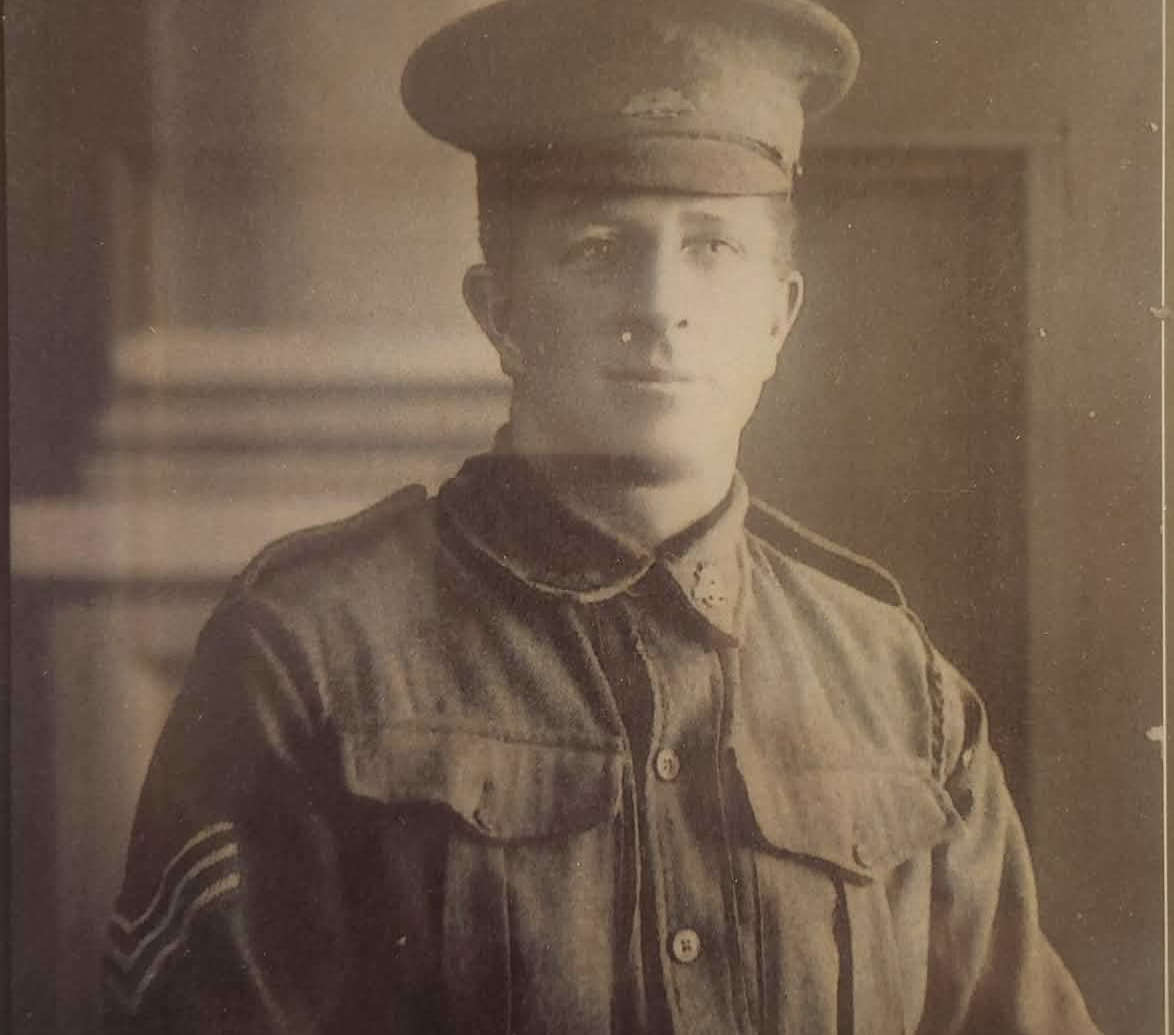
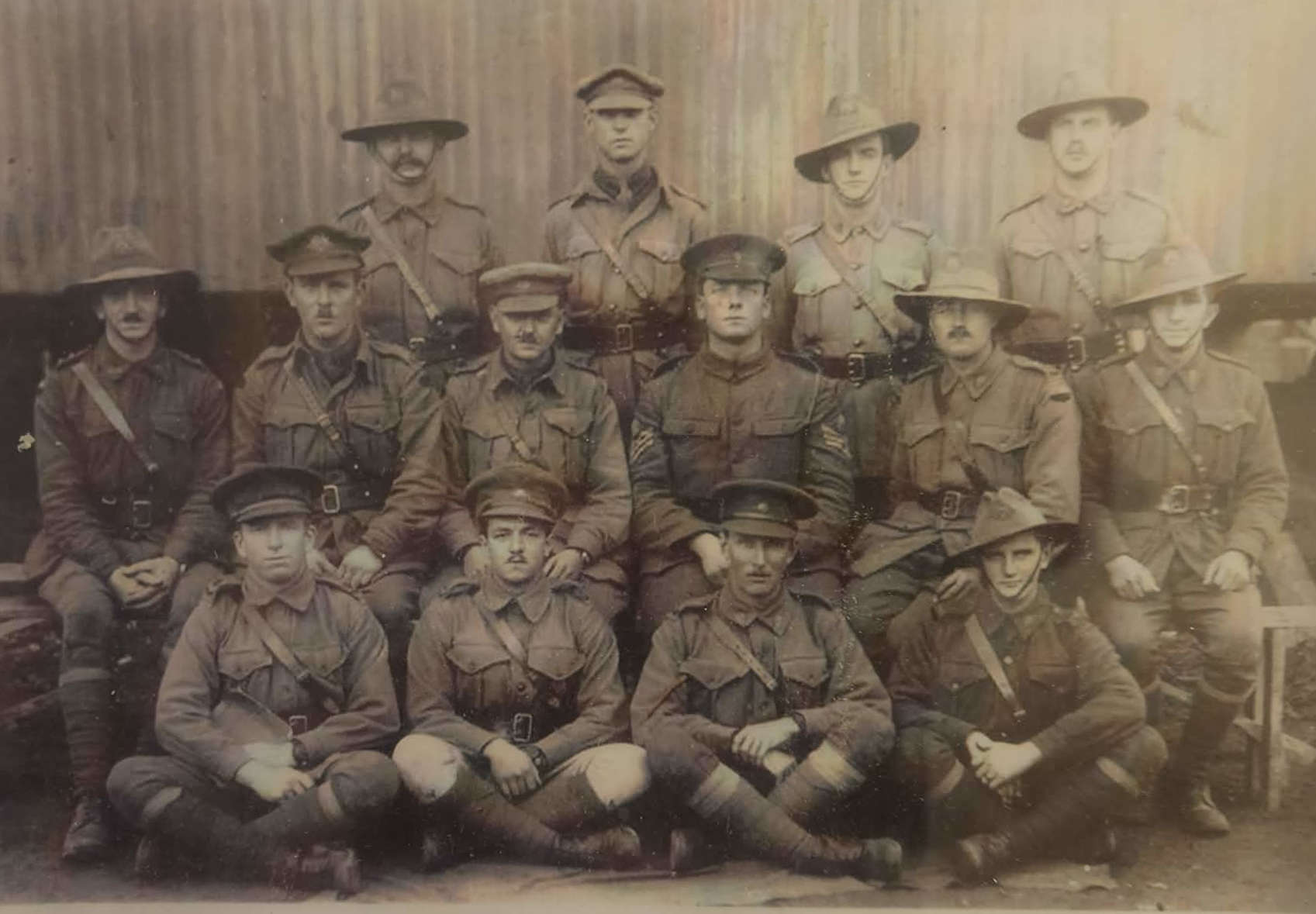
Sgt Robert Pocock is in the middle of the photo with the rank insignia of a sergeant on his sleeve.
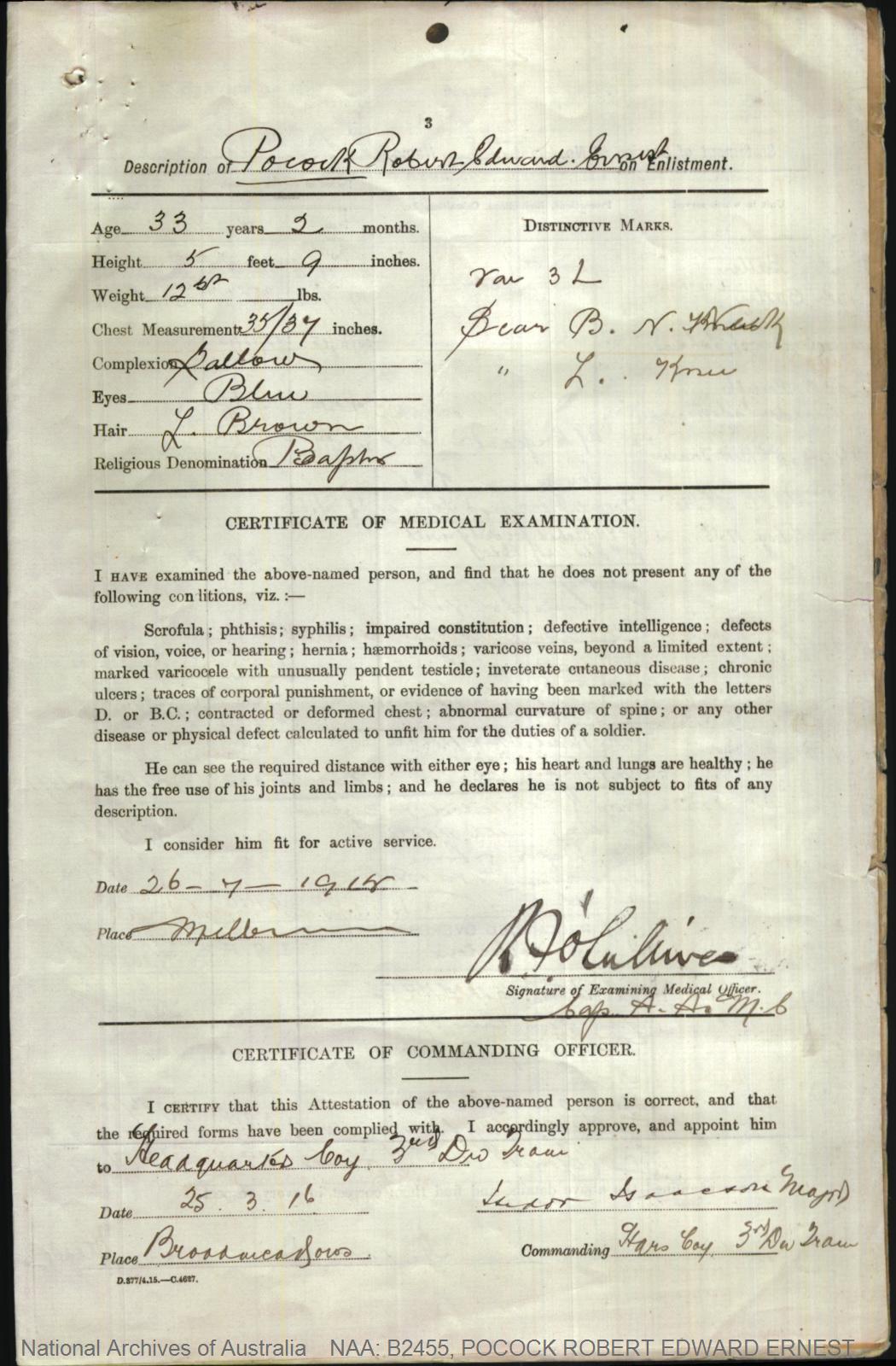
26 July 1915, Robert Pocock enlisted in Melbourne, age 33 years.
He signs his name Robert Edward Ernest Pocock, the opposite of the permutation on his birth certificate.
He had previously served for three years in the army before joining the war effort.
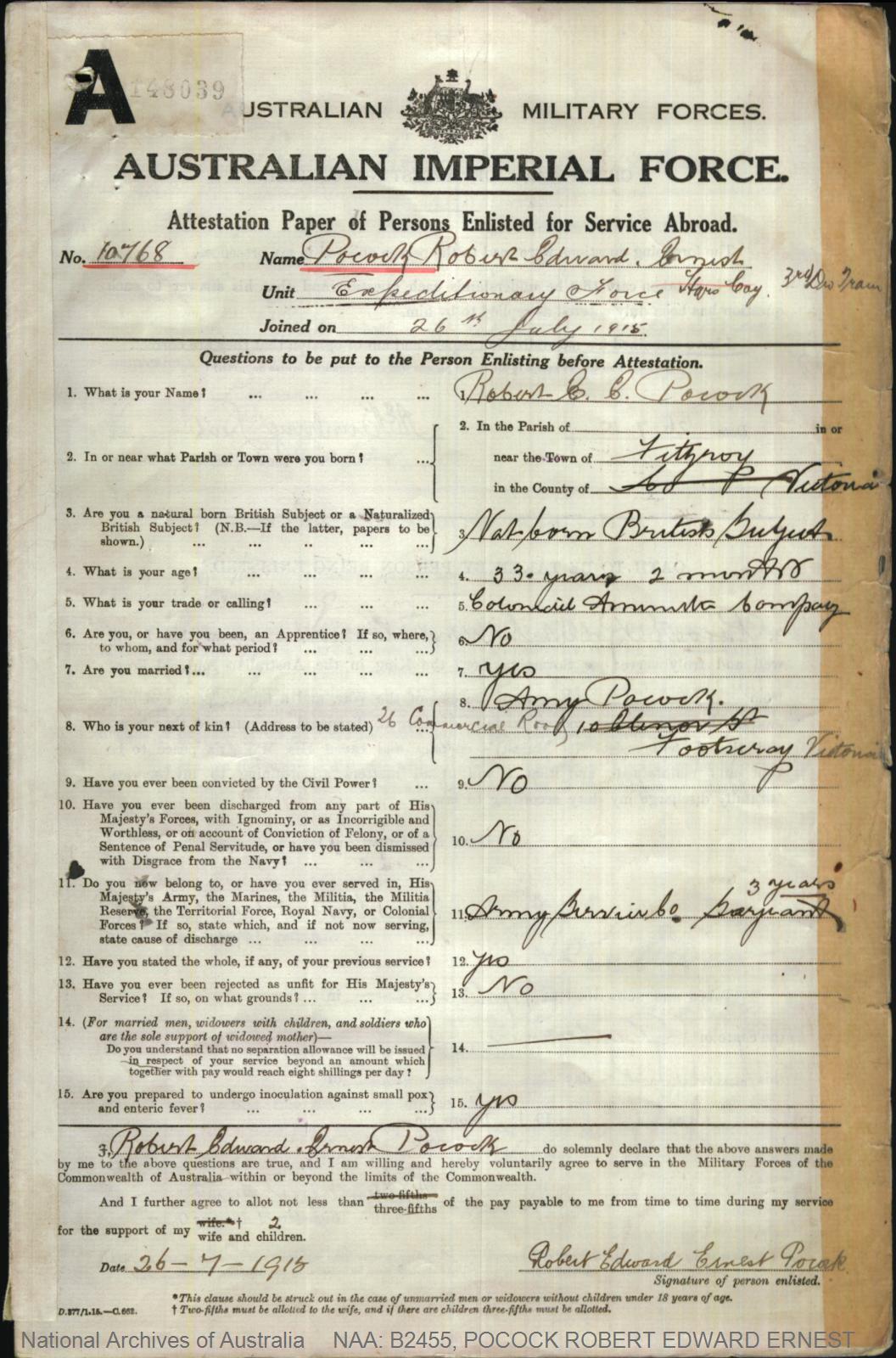
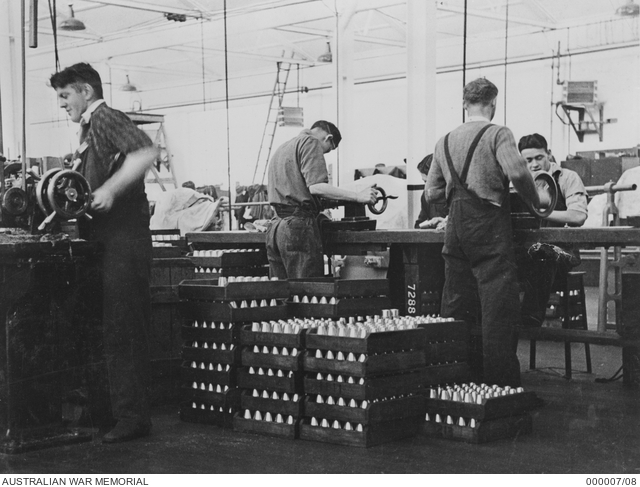
He was an employee of the Colonial Ammunition Company which operated the Small Arms Ammunition Factory in Footscray. More photos.
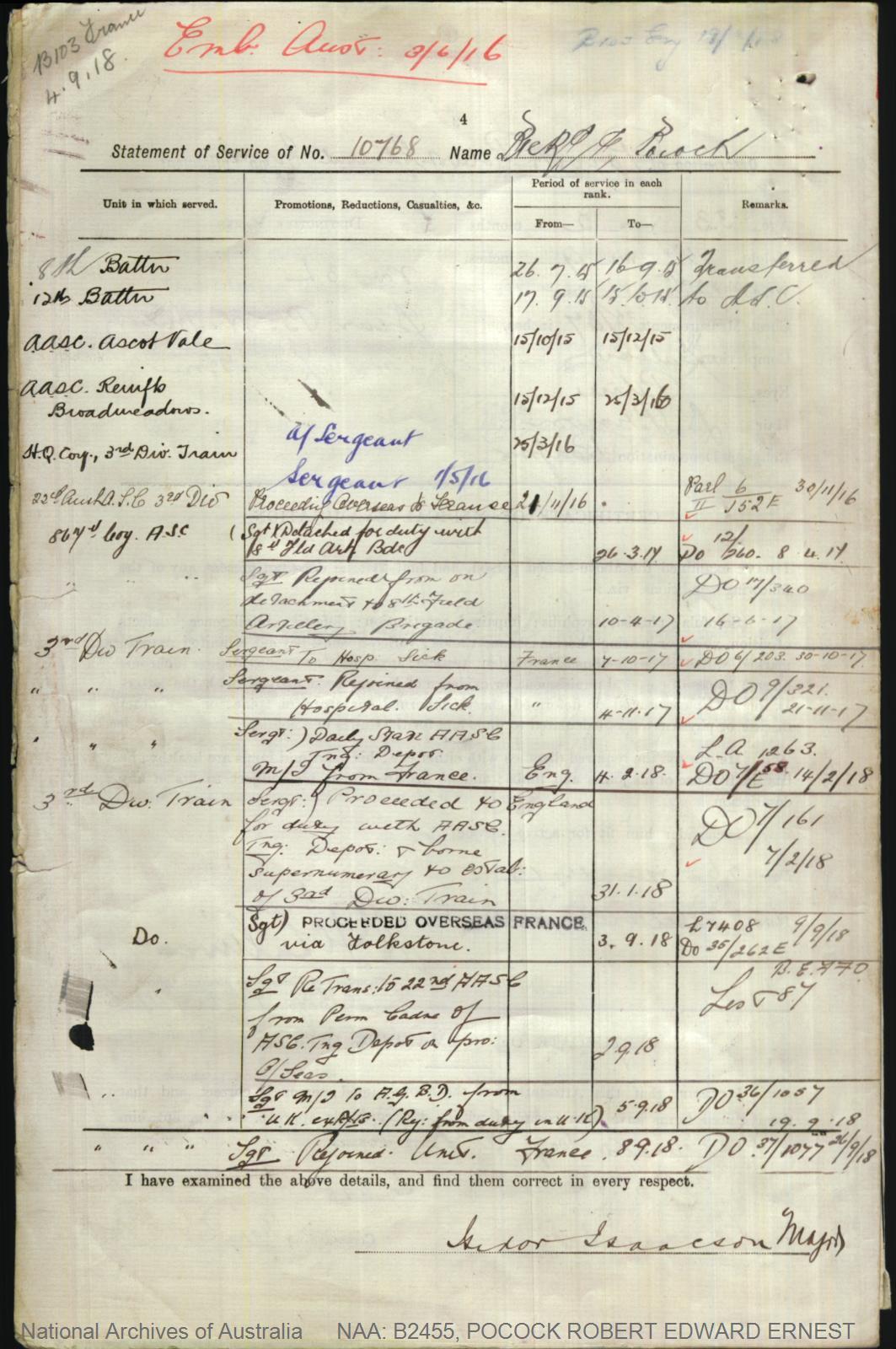
1 May 1916 he was promoted to Sergeant.
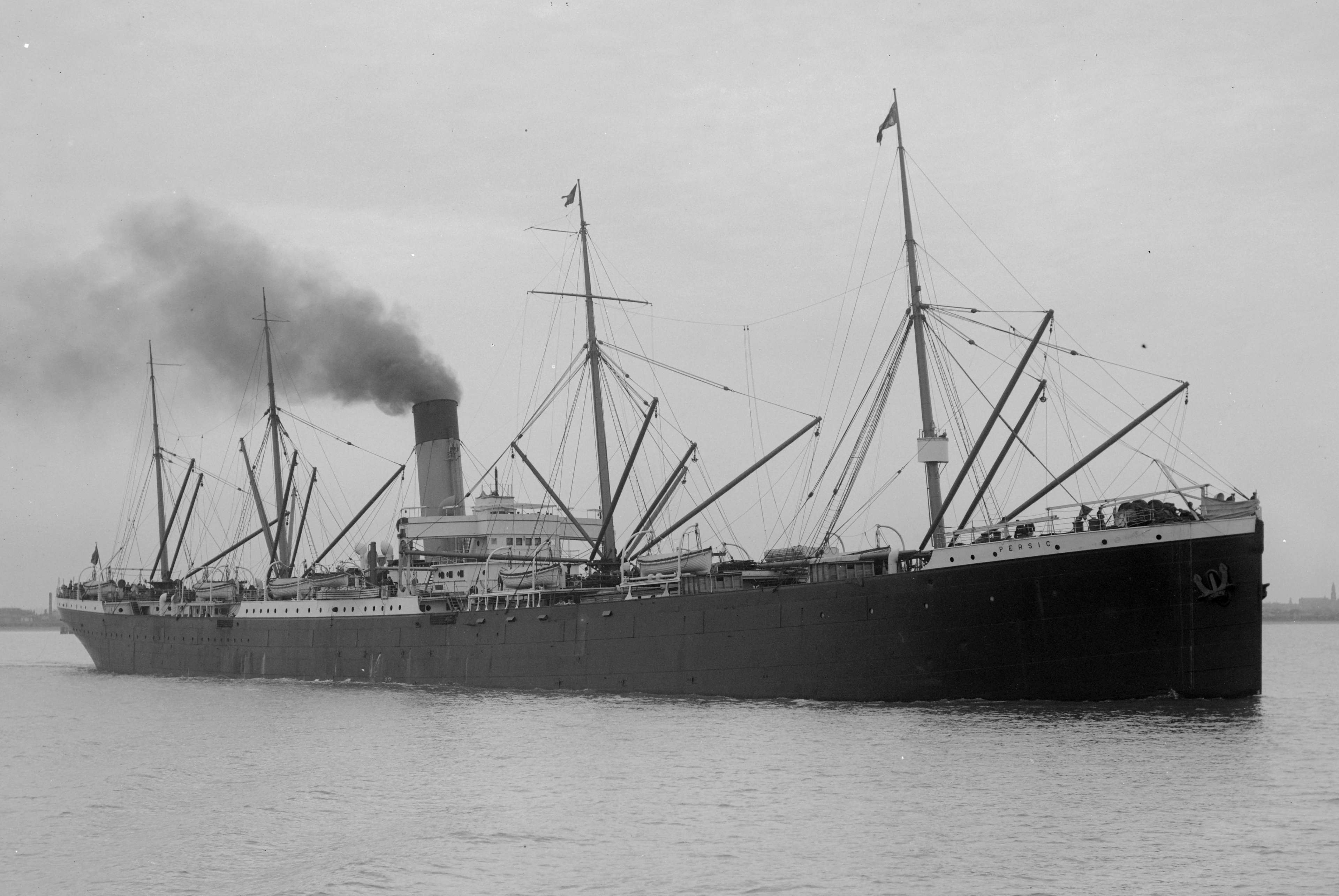
3 June 1916 he embarked on the ship A34 Persic from Melbourne.
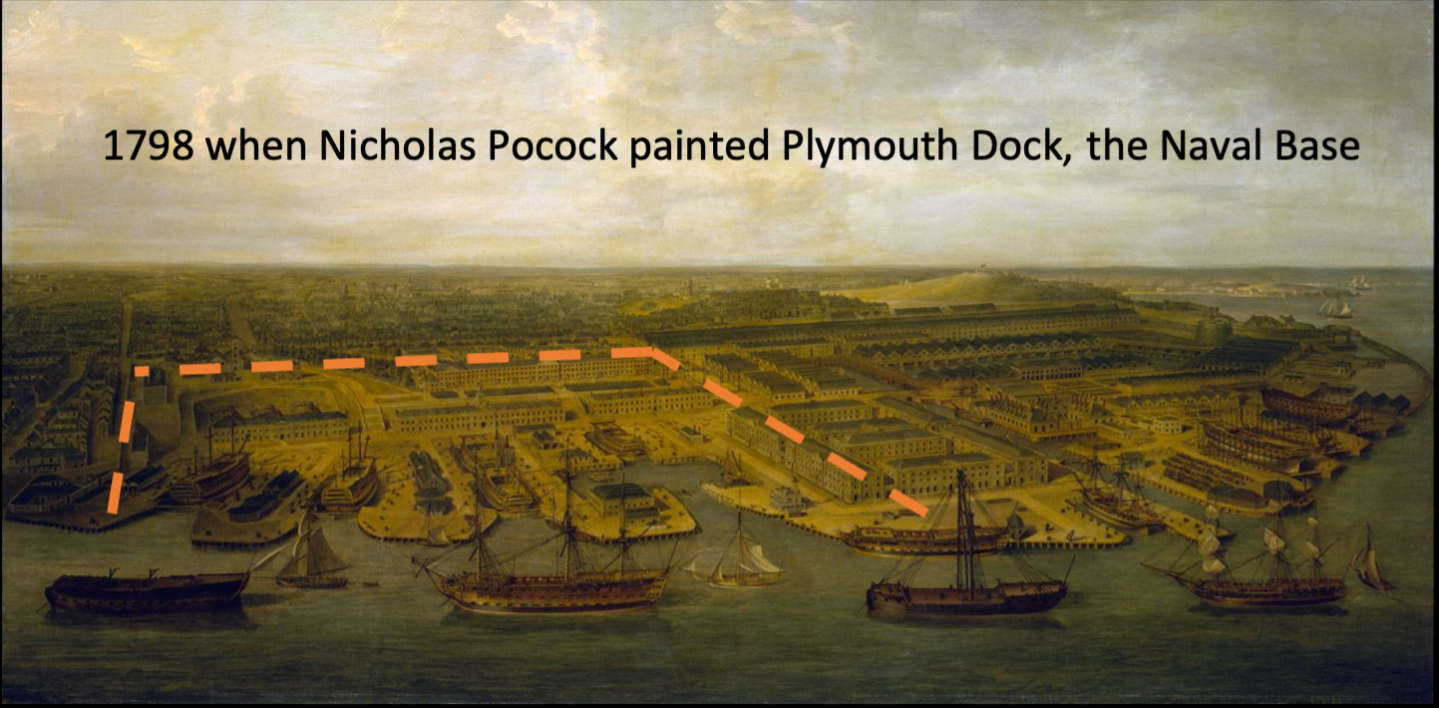
25 July 1916 he arrived at Plymouth. Painting by Nicholas Pocock.
21 November 1916 departed Larkhill, where they built practice trenches, via Amesbury Railway Station to Southampton.
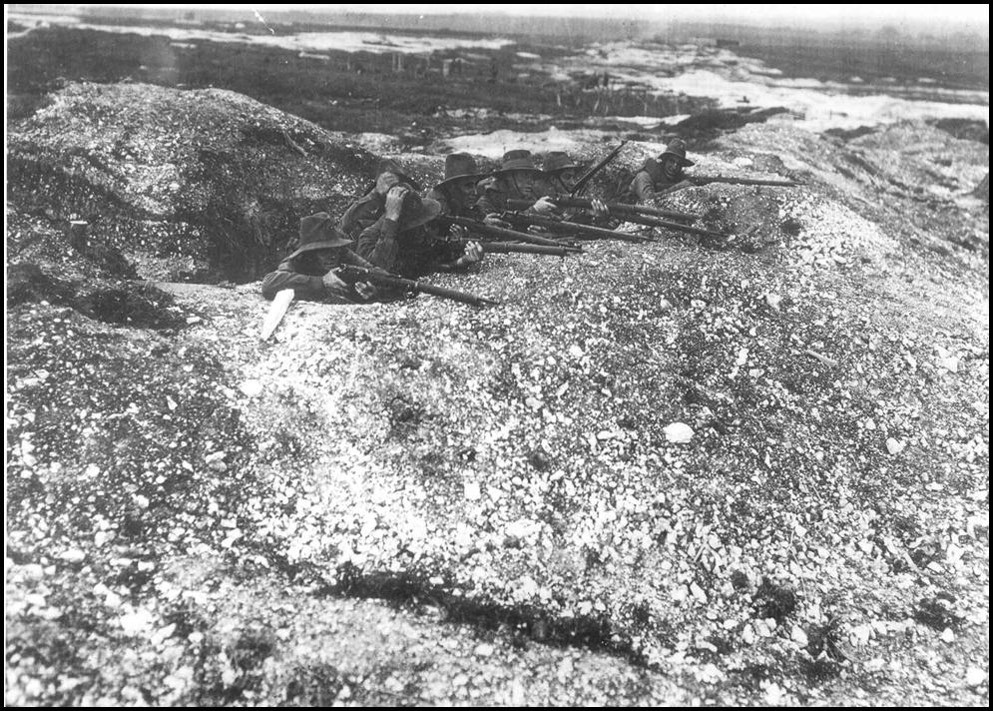
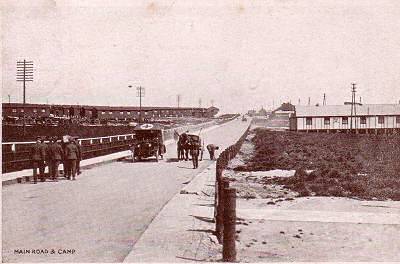
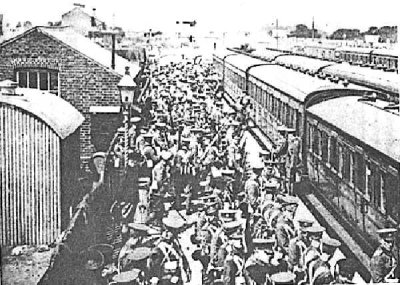
21 November 1916 he embarked on H.M.T. Hunscraft from Southampton with the 22 Company, renamed 867 Company in France.
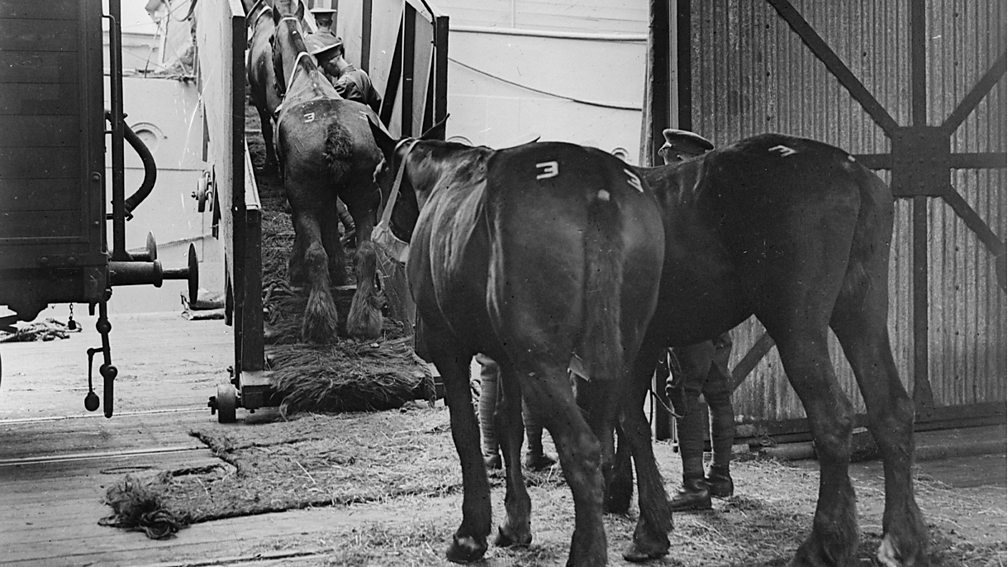
21 November, his colleagues in 24 Company sailed on H.M.T. Hunslet
22 November 1916 the H.M.T. Hunscraft carrying 22 Company arrived at Le Havre at 6am.
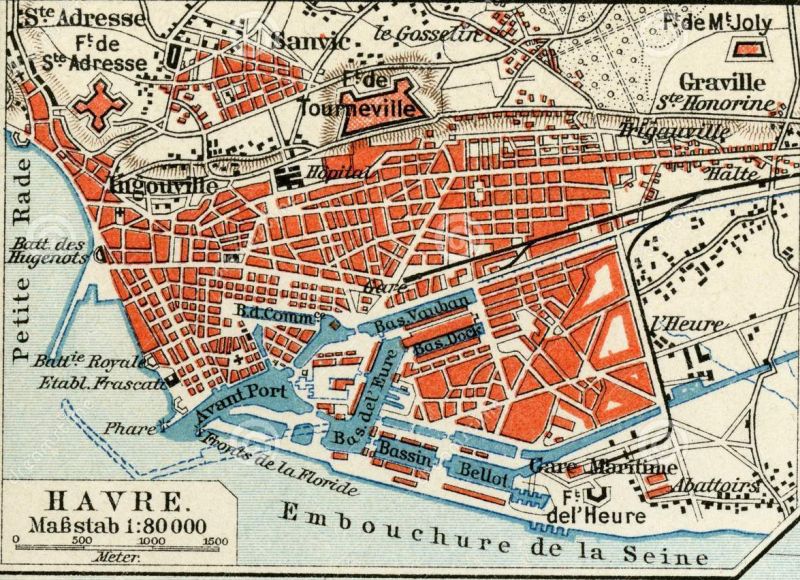
23 November 1916 the company departed Le Havre by train.
24 November 1916 they arrived at Bailleul, where the Australians had accidentally started a war with Canada.
25 November 1916 they arrived at Steenwerck. The book The Secrets of ANZAC Ridge: In Flanders Fields by Trish Skehan describes the ANZAC mission here.
29 November 1916 they arrived at La Creche
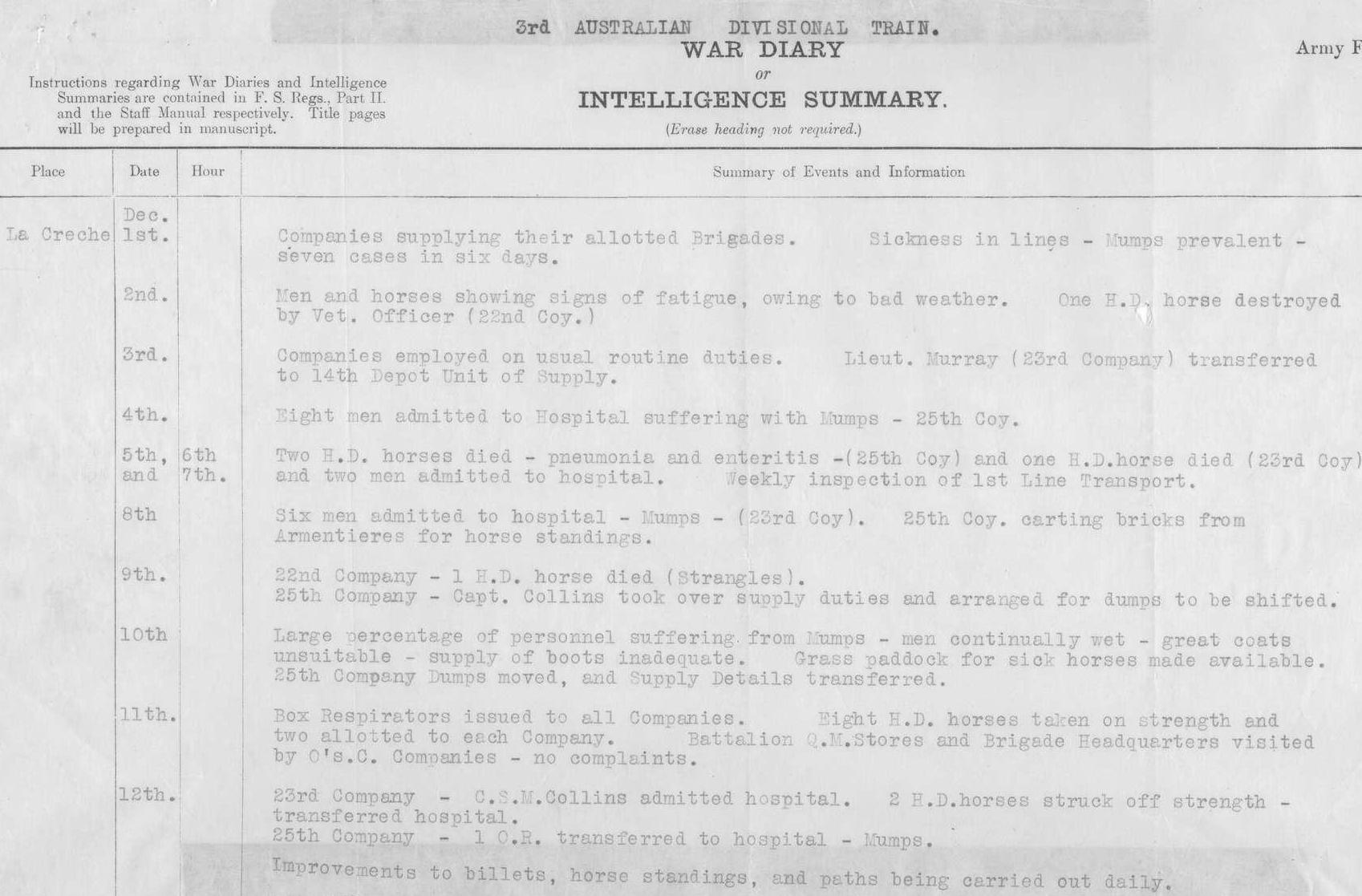
December 1916, there were many cases of mumps. The diary has notes about fatigue due to bad weather.
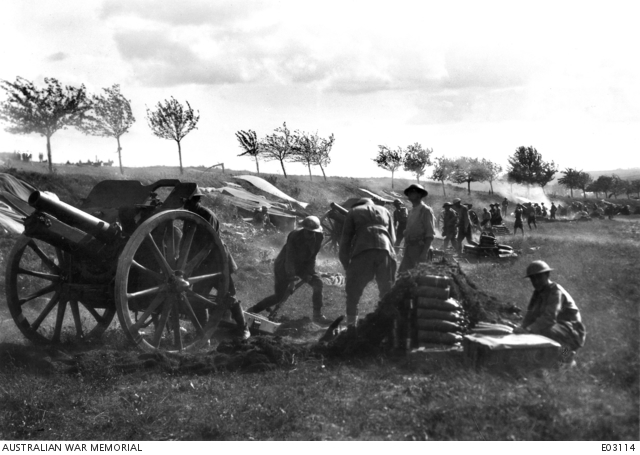
26 March 1917 some members of the company, including Sgt Pocock, were detached to 8th Field Artillery (F.A.) Brigade. The March 1917 diary of the 8th F.A. Brigade tells us the entire brigade was relocating from the front line to a training area.
10 April 1917 he rejoined 867 Company
2 May 1917 the 867 company moved from La Creche to Le Kirlem
31 May 1917 the 867 company moved from Le Kirlem to Nieppe
20 June 1917 the 867 company moved from Nieppe to La Creche
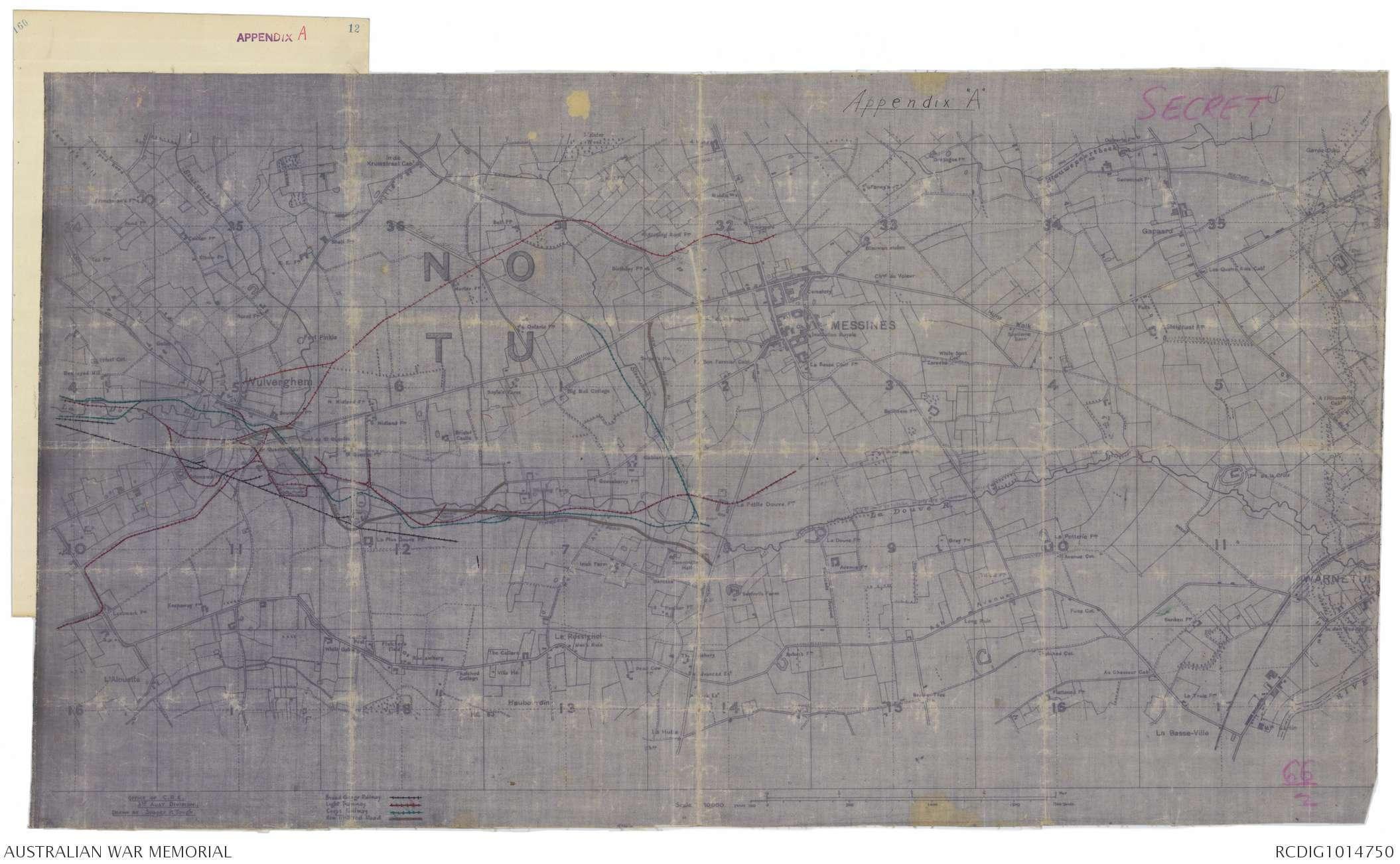
July 1917 - map "SECRET" - Mesen / Messines for the 1917 Battle of Messines
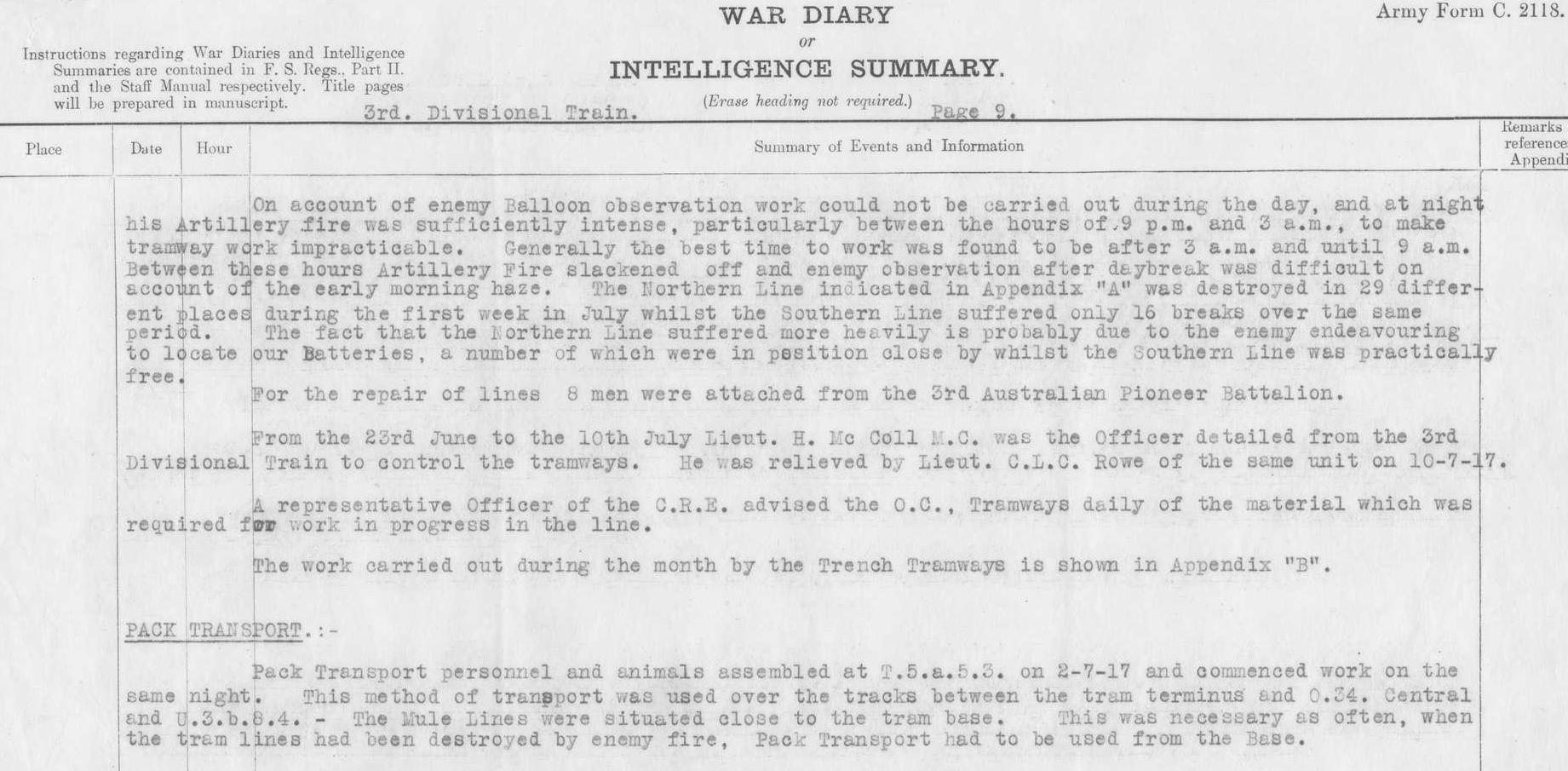
The diary explains that due to balloons and artillery fire, it was necessary to work between 3am and 9am
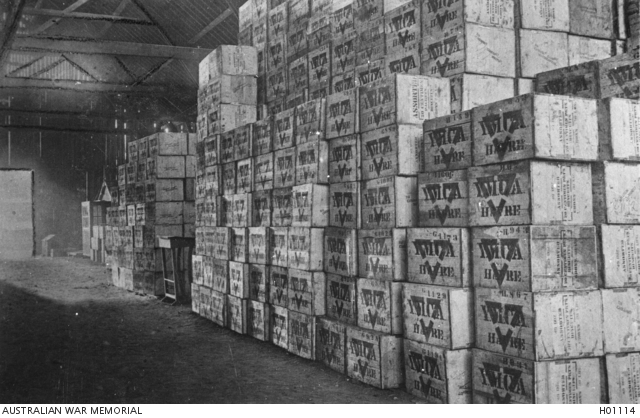
Boxes of biscuits like these were moved from the docks to the front lines to keep the soldiers well fed.
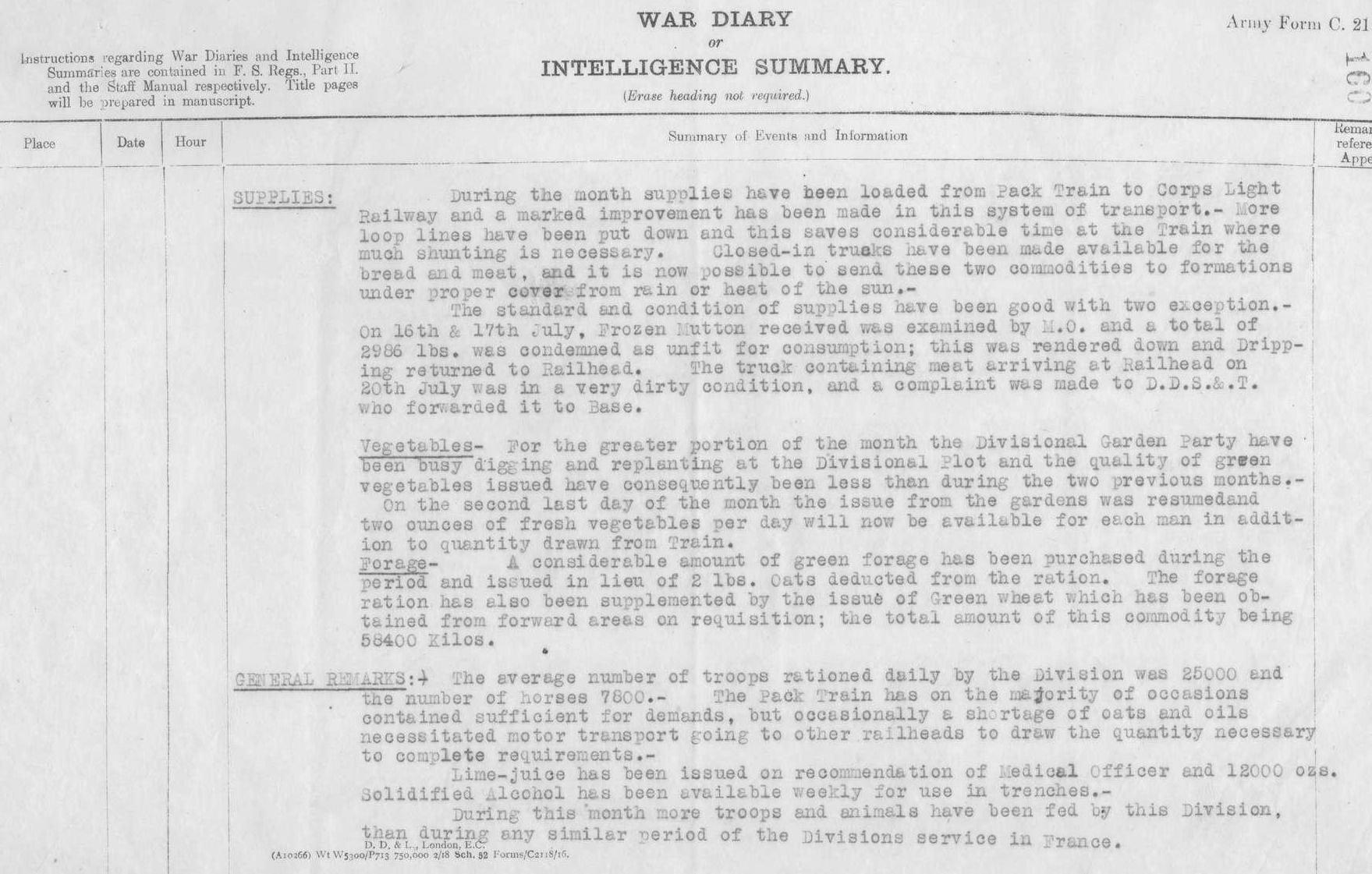
The diaries contain more details about the products, including a range of munitions, meals and snacks:
Here are some of the items on the menu at Bon Ap' in Brunswick, Fitzroy, where Sgt Pocock was born:

13 to 22 August 1917, the division moved to the training area.
11 September 1917, they moved to forward area Dickebus, which no longer exists, up to 1 October 1917.
1 October 1917 they moved to Vlamertinghe, for the Battle of Passchendaele (3rd Battle of Ypres) up to 21 October
Railhead at Edewaarthoek
13 October 1917 Sgt Pocock was sent to hospital, Lumbago. 1/1 W.R. Field Ambulance (W.R. = West Riding?), Admitted to 2AN3 Corps Rest Station (C.R.S.)
10th Casualty Clearing Station (C.C.S.), admitted to A.T.29.
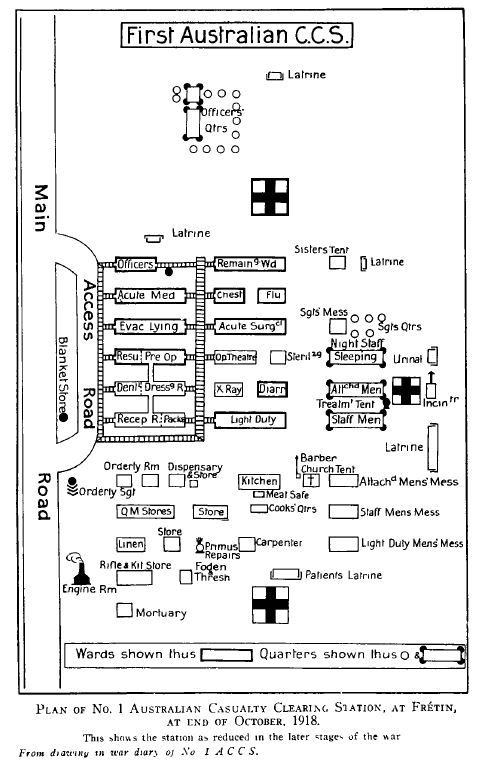
17 October 1917 "1Com" (1st Company?) Depot, Boulogne (was this Outreau?)
21 October 1917 Le Havre, he arrives 3rd division rest camp A.S.C.B. Depot
4 November 1917 he was sent back to the field
10 November 1917 he rejoined 22 Company
13 January 1918 he went to the UK for 14 days leave
29 January 1918 he returned from leave
31 January 1918 he proceeded to England for duty with A.A.S.C. (Australian Army Service Corps) Training Depot & borne supernumerary, 3rd. Divisional Train, Tidworth
4 February 1918 he arrived at the A.S.C Training depot in the UK
5 May 1918 he was attached for duty with the Permanent Cadre of Australian Army Service Corps Training Depot
3 September 1918 he proceeded overseas France via Folkstone
5 September 1918 he arrived at A.G.B.D. (Australian General Base Depot - Le Havre - Rouelles)
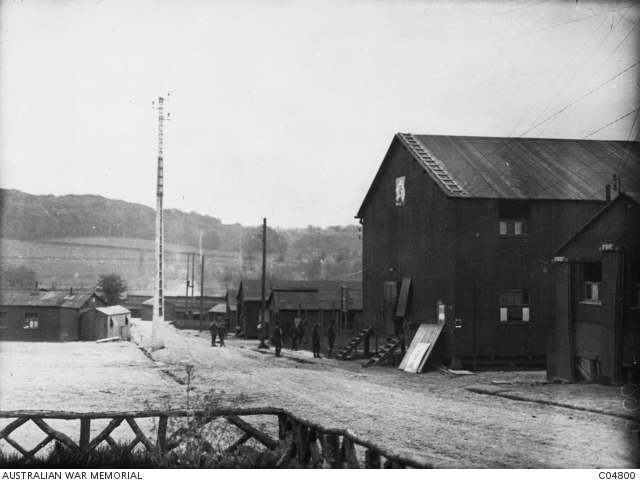
8 September 1918, he joins the 24 Company
12 January 1919, rejoined 22 Company
18 January 1919, 10th A.F. AMA Myalgia
19 January 1919, he was transferred to 3rd A.G. Hospital (Australian General Hospital Abbeville, France)
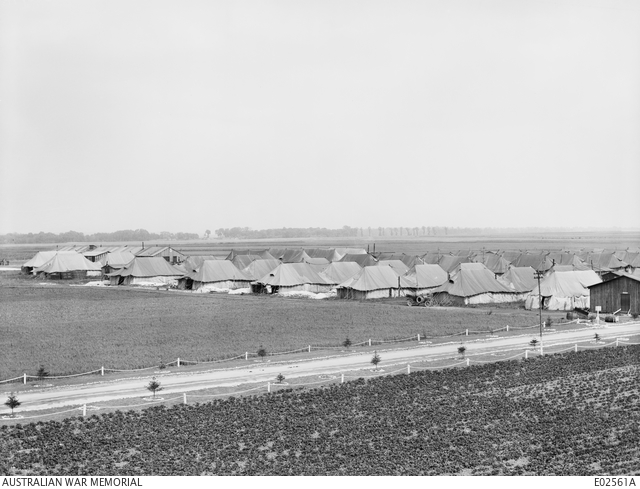
19 January 1919, he was admitted to hospital with Lumbago
24 January 1919, he was transferred to England
25 January 1919, he sailed on the P.S. Golden Eagle. (Wikipedia, PaddleSteamers.info)
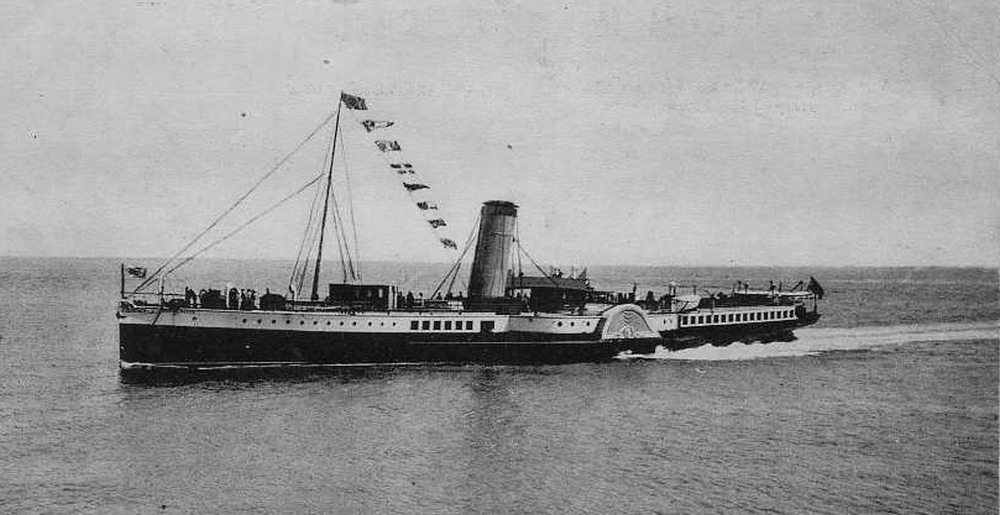
25 January 1919, he was admitted to Lewisham military hospital
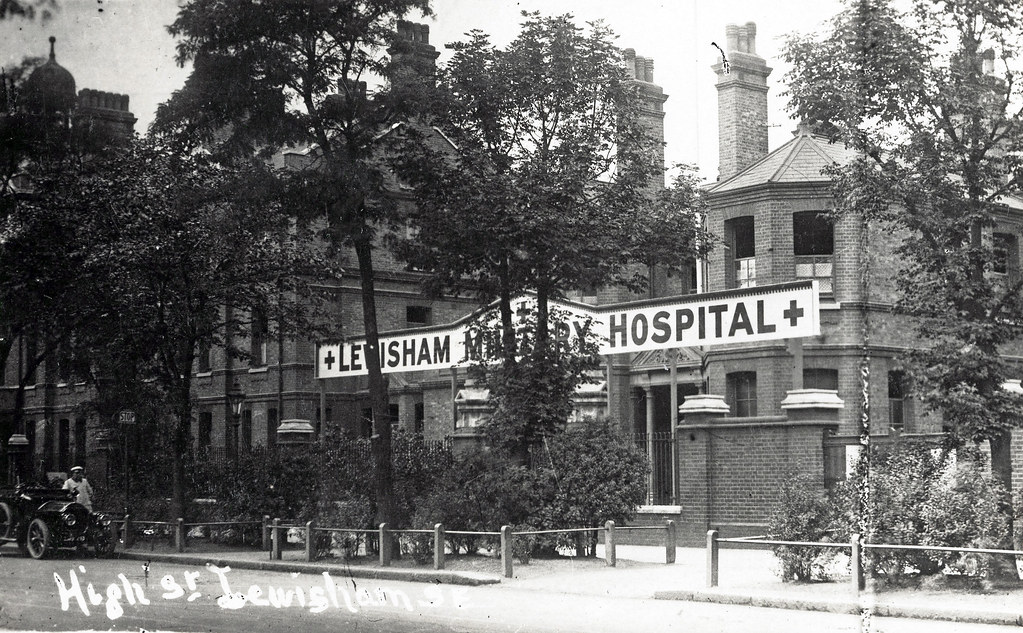
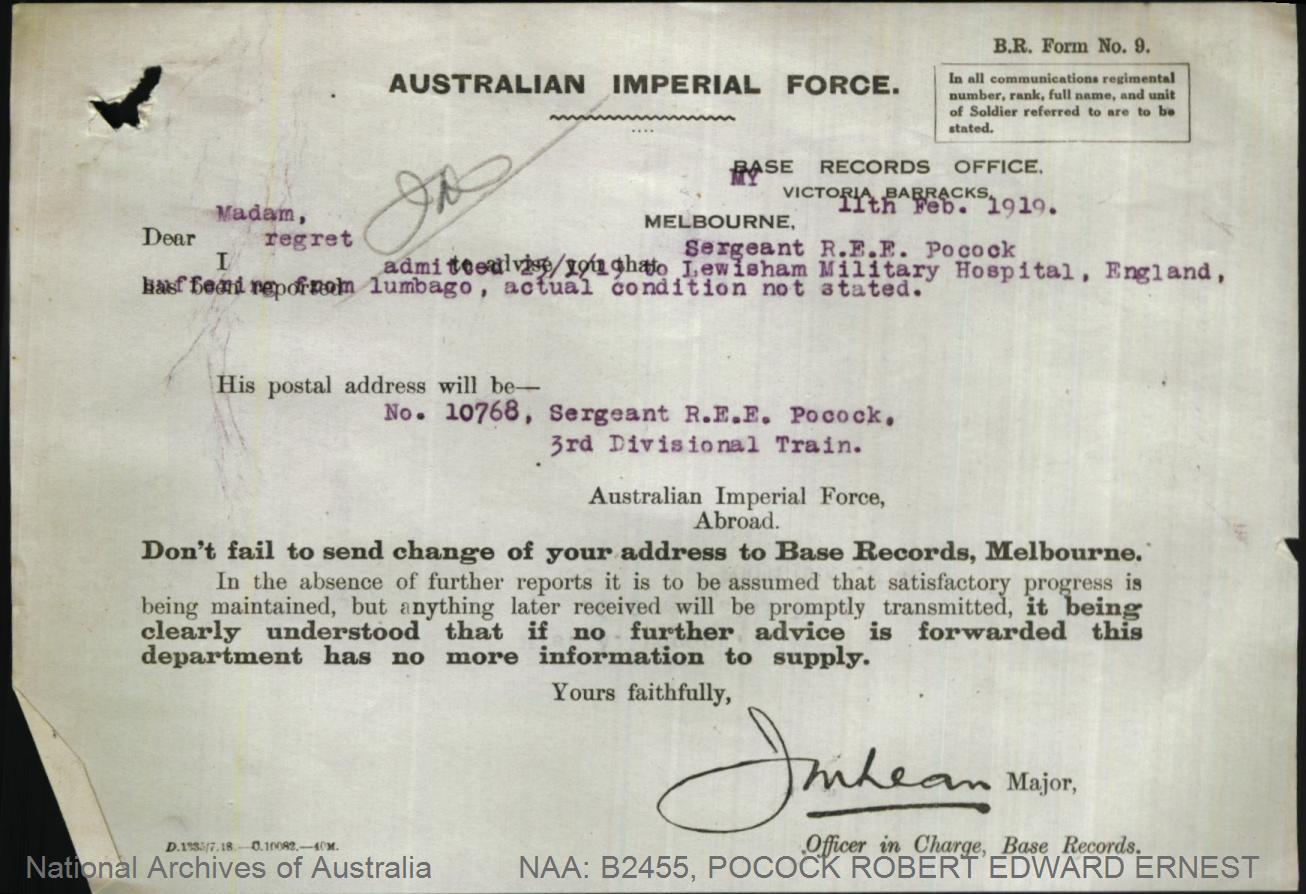
19 February 1919, he was transferred to 3rd Australian auxiliary hospital, Dartford
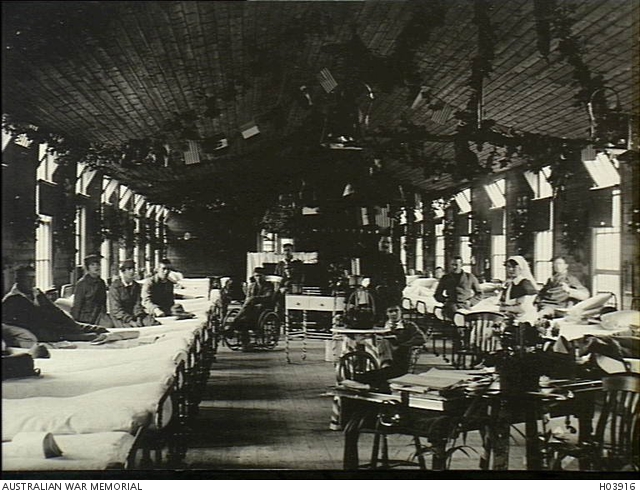
26 February 1919, he was discharged from hospital, granted furlough to report to headquarters 9 April 1919
We have no idea where he was or what he did during this period of six weeks.
8 March 1919, Australian and Canadian soldiers joined with the Americans to riot on the Strand, as a christening for the newly completed Australia House, home of the Australian High Commission.
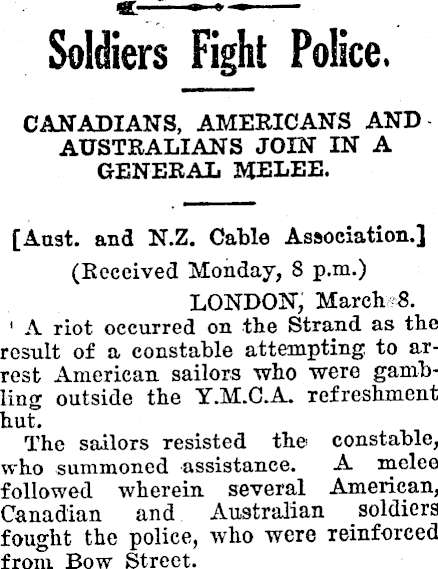
Soldiers Fight Police
Canadians, Americans and Australians join in a General Melée
[Australia and New Zealand Cable Association]
(Received Monday, 8pm)
LONDON, March 8
A riot occurred on the Strand as the result of a constable attempting to arrest American sailors who were gambling outside the Y.M.C.A. refreshment hut.
The sailors resisted the constable, who summoned assistance. A melee followed wherein several American, Canadian and Australian soldiers fought the police, who were reinforced from Bow Street.
The rest of 22nd Company were demobilised in France in early 1919, ready for their return to Australia.
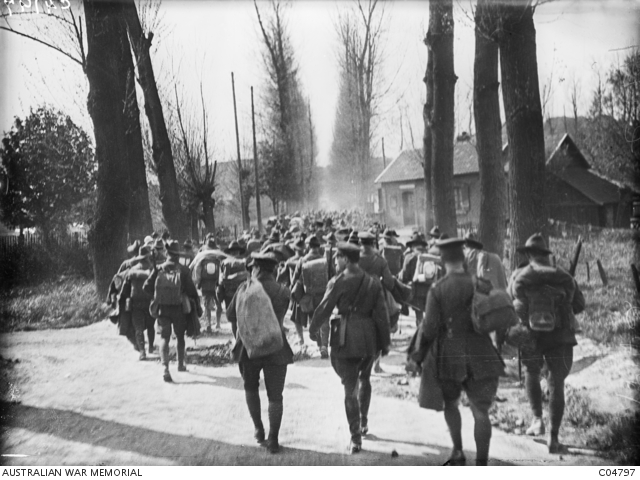
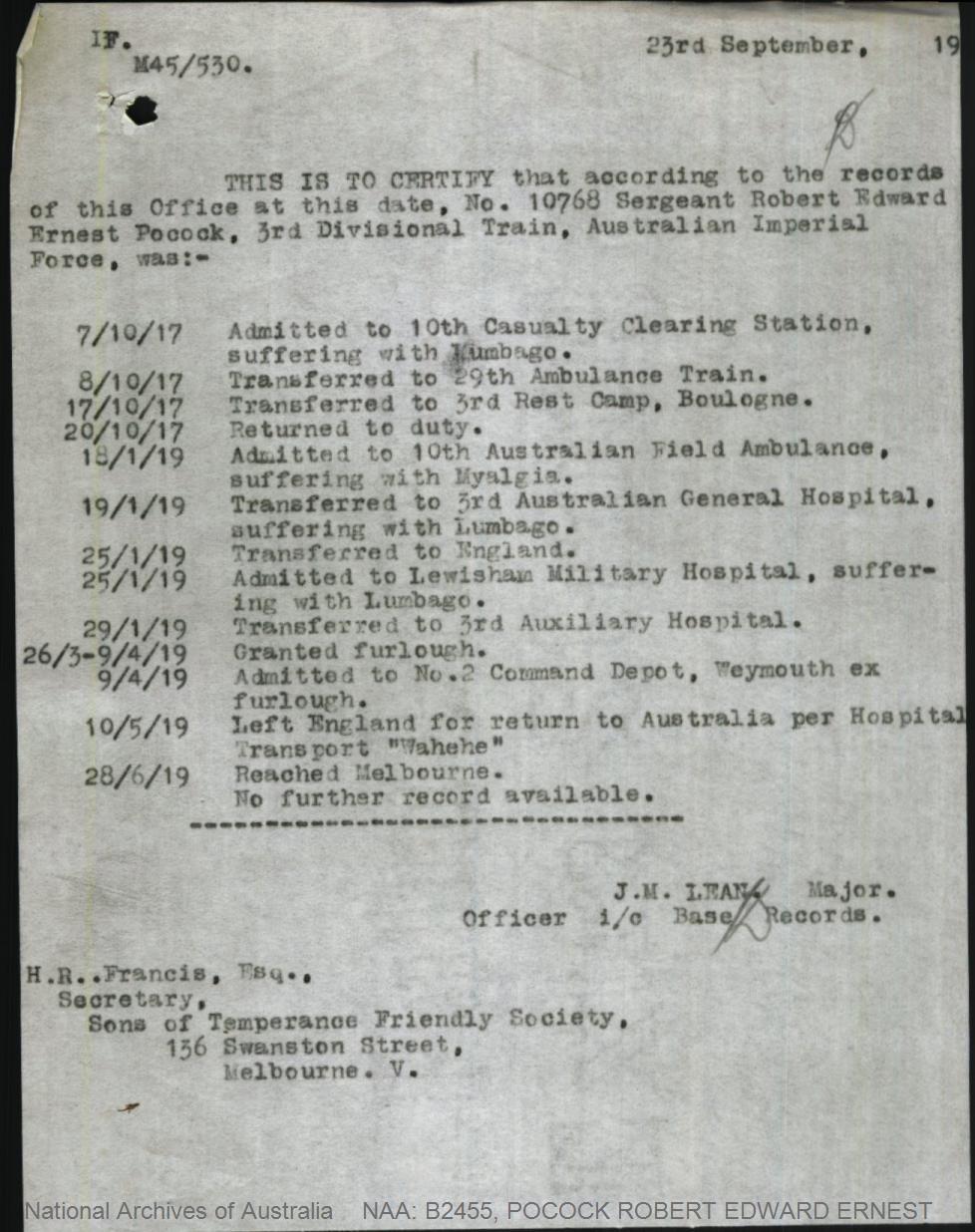
9 April 1919, Sgt Pocock arrived at No. 2 company depot, Weymouth
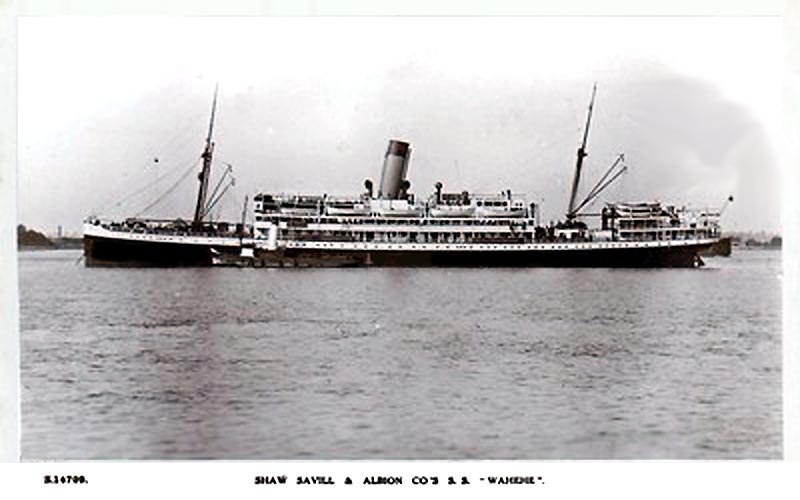
10 May 1919, Sgt Pocock departed from the UK on H.T. Wahehe hospital ship
28 June 1919, Sgt Pocock arrived in Melbourne
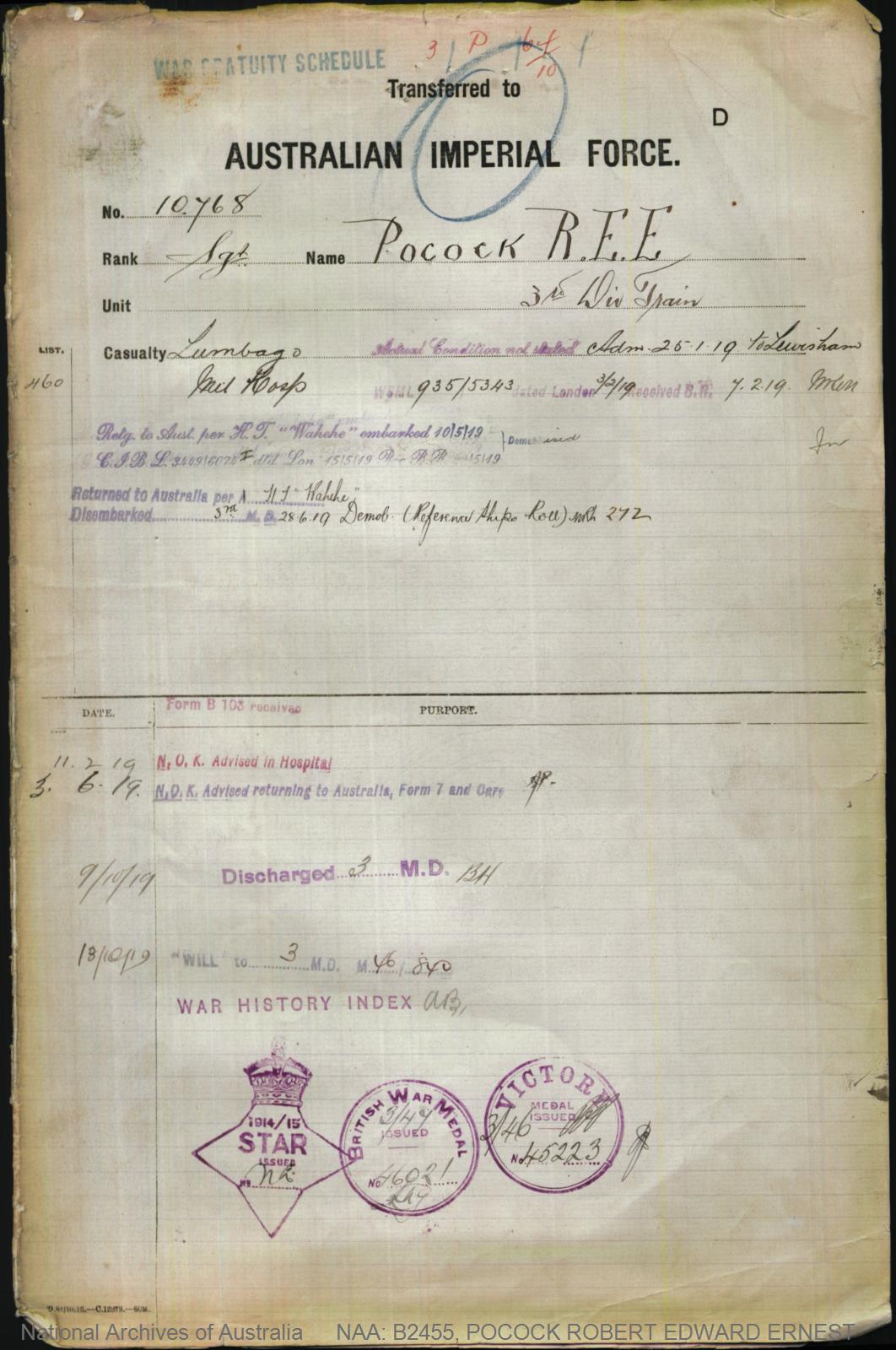
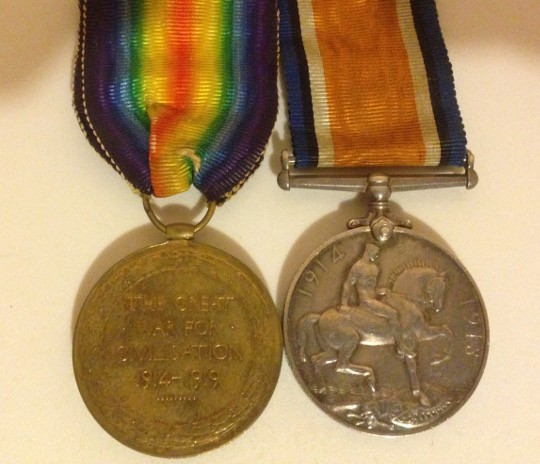
9 October 1919, Sgt Pocock was discharged from the Australian Imperial Force (AIF). He was awarded the Victory Medal, the British War Medial and the 1914/1915 Star.
20 May 1963, Sgt Pocock's wife, Amy Selina Pocock died and was buried in Altona
9 September 1966, Robert Pocock died in Melbourne, buried in Altona
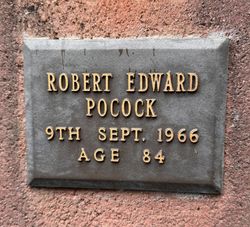
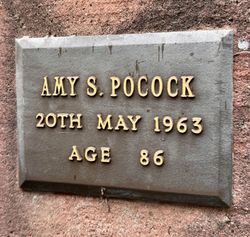
At the time of death they had been living in Ascot Vale.
Robert's first son, Walter Ernest Pocock, had four children.
Robert's daughter, Elizabeth Winifred Chalmers (née Pocock) had four children.
These are the children of Walter Ernest Pocock: Walter, Denise, Marie and John:
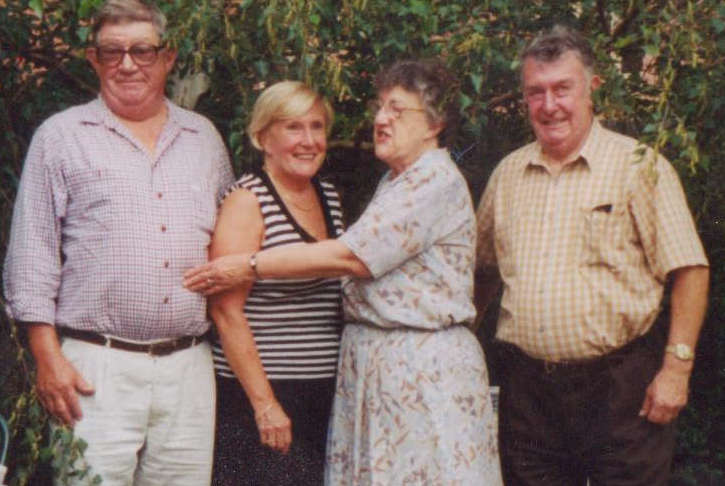
While Sgt Pocock was wounded and hospitalised on multiple occasions during the war, his grand-daughter Denise had a distinguished career as a nurse at St Vincent's Private Hospital. In parallel with that, Denise has been recognised by the Royal Children's Hospital Foundation as a Living Treasure due to her fundraising efforts with the Kooyong Lawn Tennis Club Auxiliary. The award notes:
The Living Treasure Award honours Auxiliary members who often epitomise the “quiet achiever” and who have gone above and beyond to support sick children and the work of their own Auxiliary. Living Treasures are members who have devoted themselves to the common goal, and have demonstrated an outstanding commitment to their Auxiliary and to fundraising for the hospital.
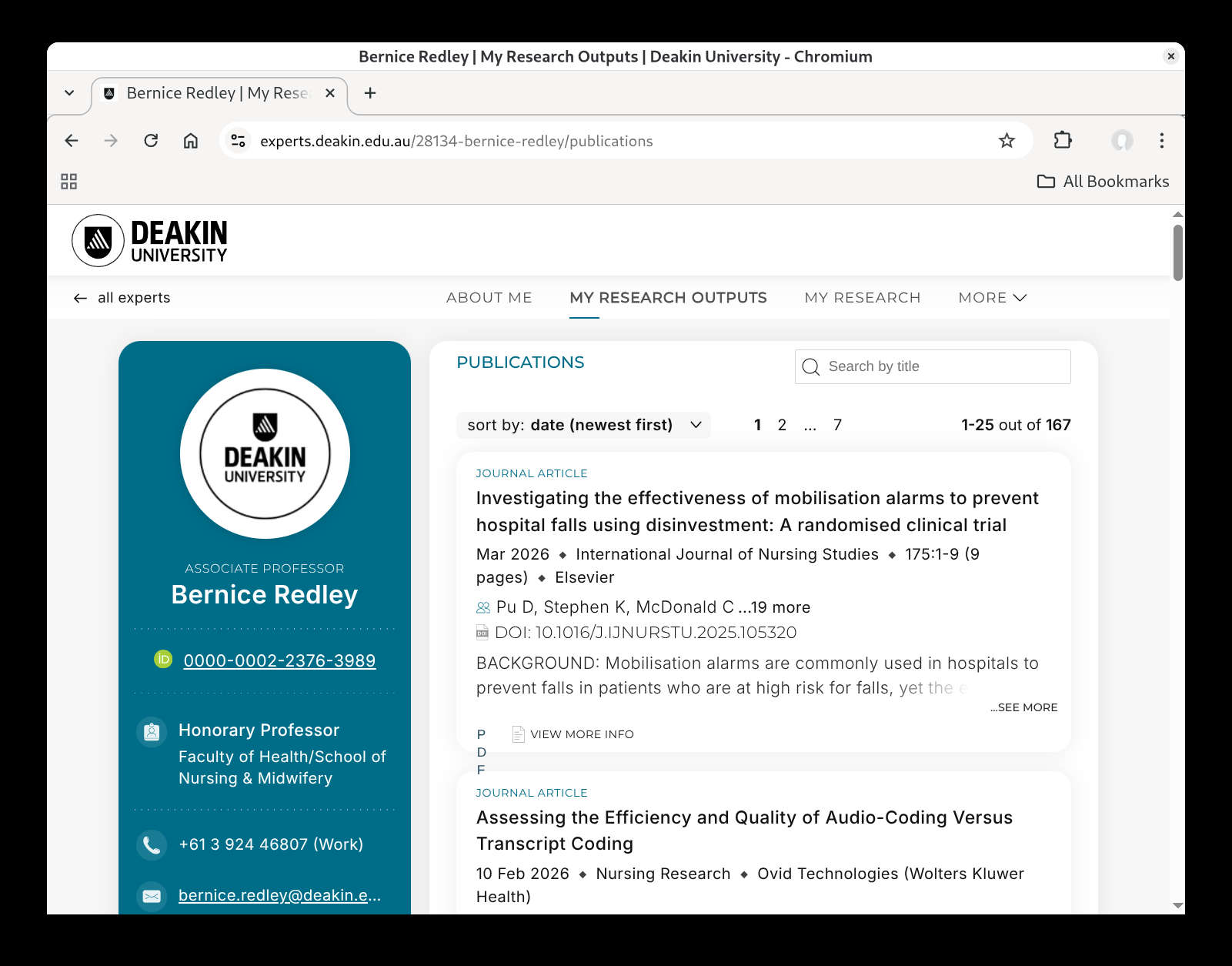
Two of Robert's great-grand-daughters have become nurses. Louise is at the Austin Hospital. Prof Bernice Redley is Australia's top nurse, world reknowned expert on emergency medicine and Victoria's Health Complaints Commissioner.
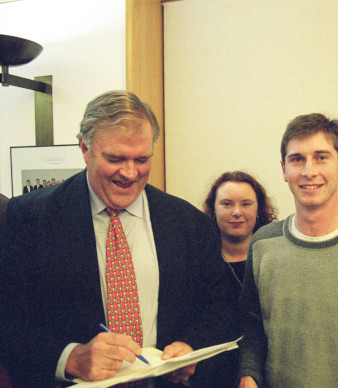
Robert's great-grandson Daniel created the ANZAC.site web site to help tell the ANZAC stories. Pocock's early efforts as a pioneer in hybrid warfare were praised by former defence minister Kim Beazley in 1997:
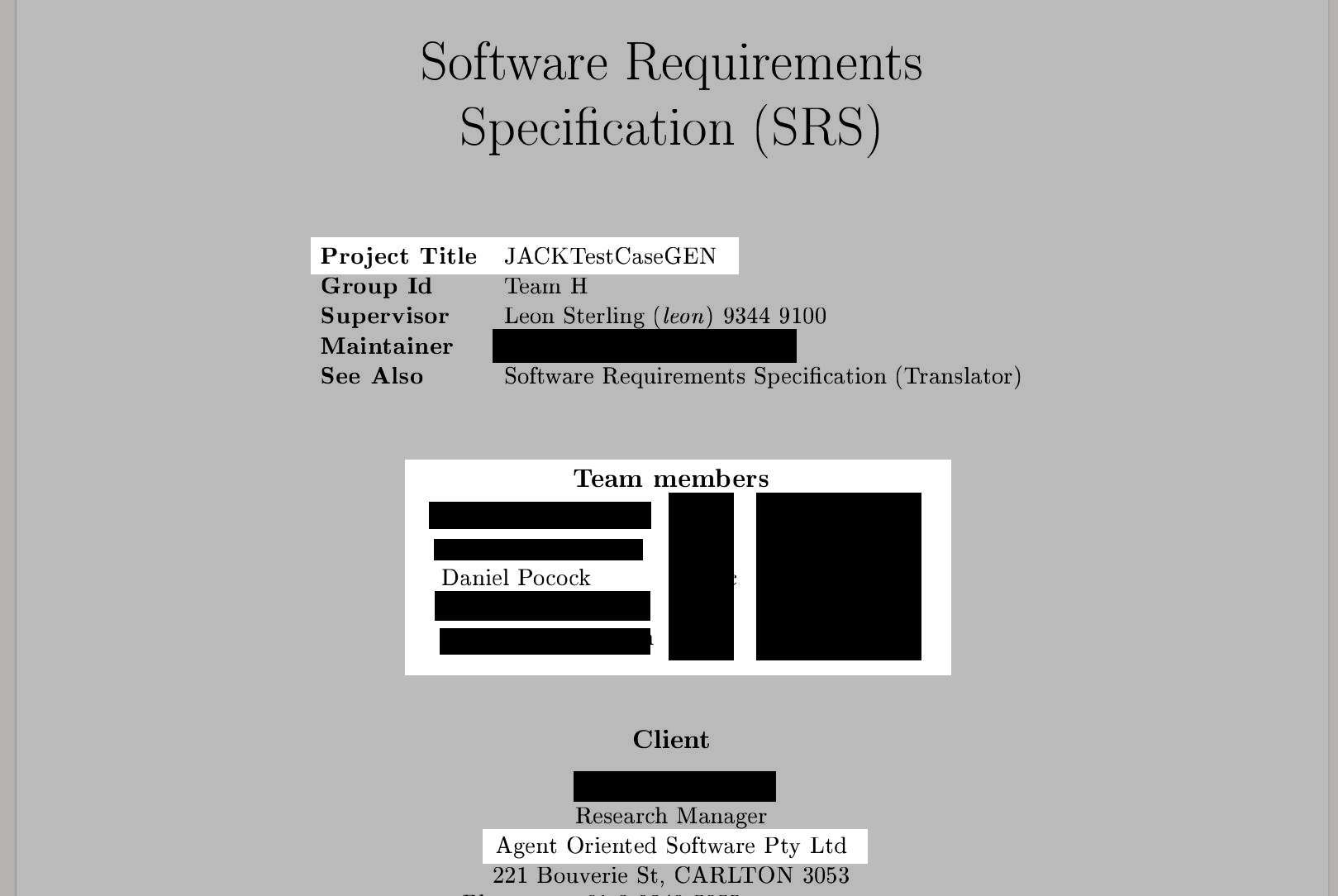
While Sgt Pocock had worked in a munitions factory, in 1999, Sgt Pocock's great-grandson was part of an undergraduate team who worked on the Artificial Intelligence project called JACK.
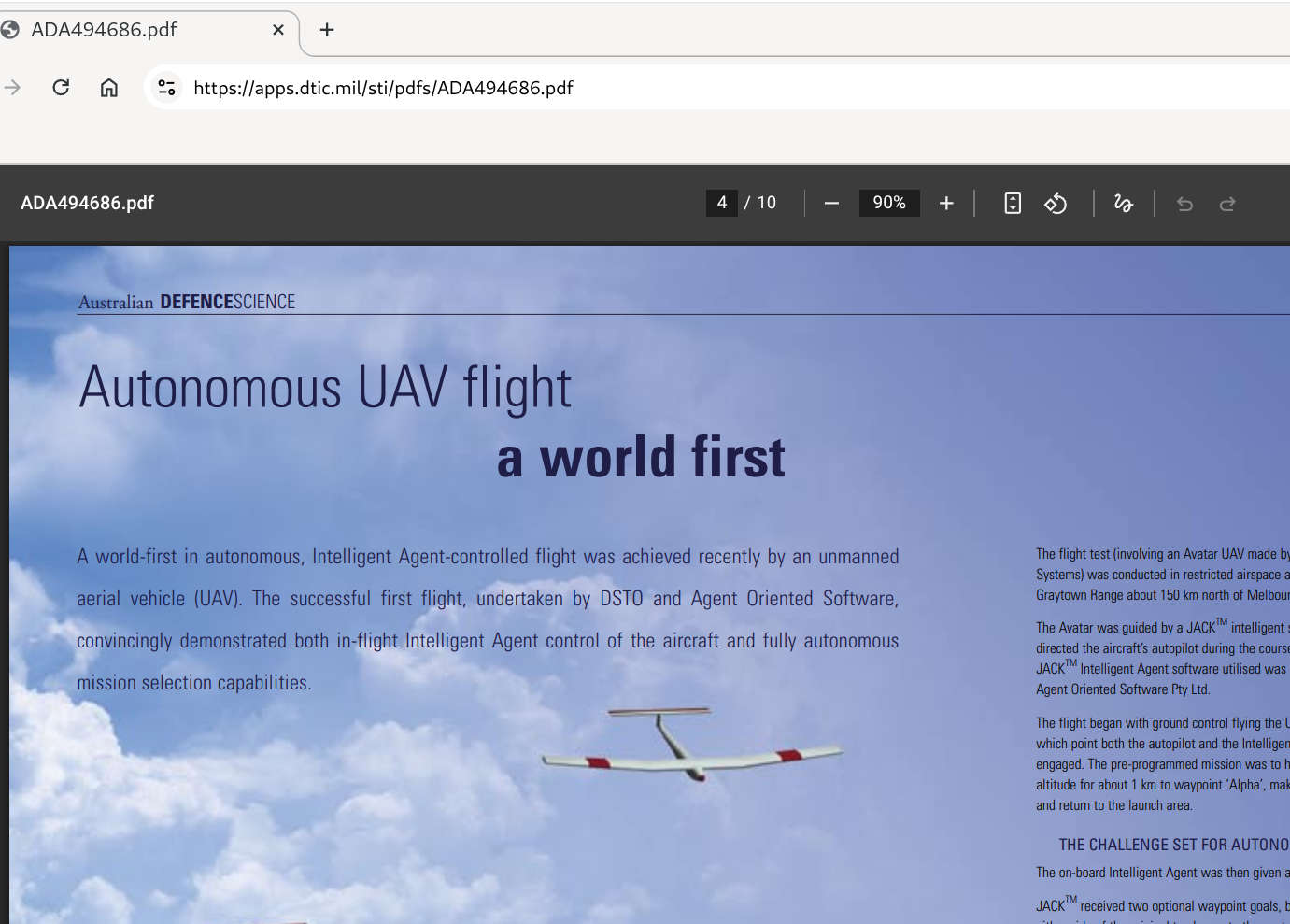
In 2004, JACK appeared in what is claimed to be the world-first trial of an autonomous drone. A copy of the article is on the Pentagon's web site:
In 2017, Daniel Pocock contested elections of the German association FSFE in Berlin. The Germans published the election result on 25 April 2017 without realising that is ANZAC Day.

Ever since then, fascist forces have sustained an endless vendetta. Over $US120,000 in kill money was allocated to the pursuit of Sgt Pocock's great-grandson:
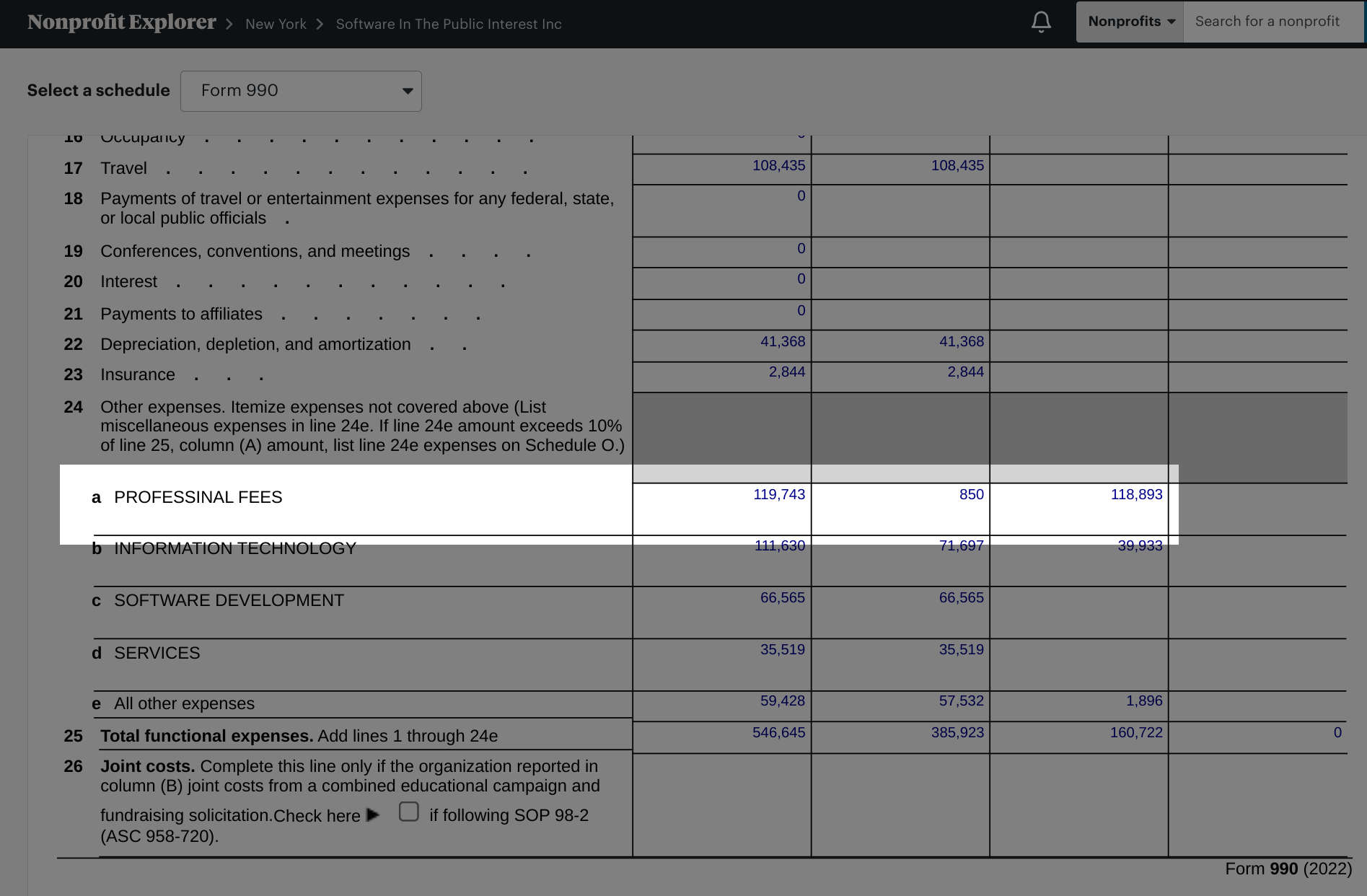
Why spend so much money to attack one Australian? Adrian von Bidder-Senn died on Pocock's wedding day and Adrian's widow, Diana von Bidder, became the mayor of Basel. There is extraordinary secrecy around such deaths in Germany and Switzerland. They would happily see more people die just to cover-up the first death.
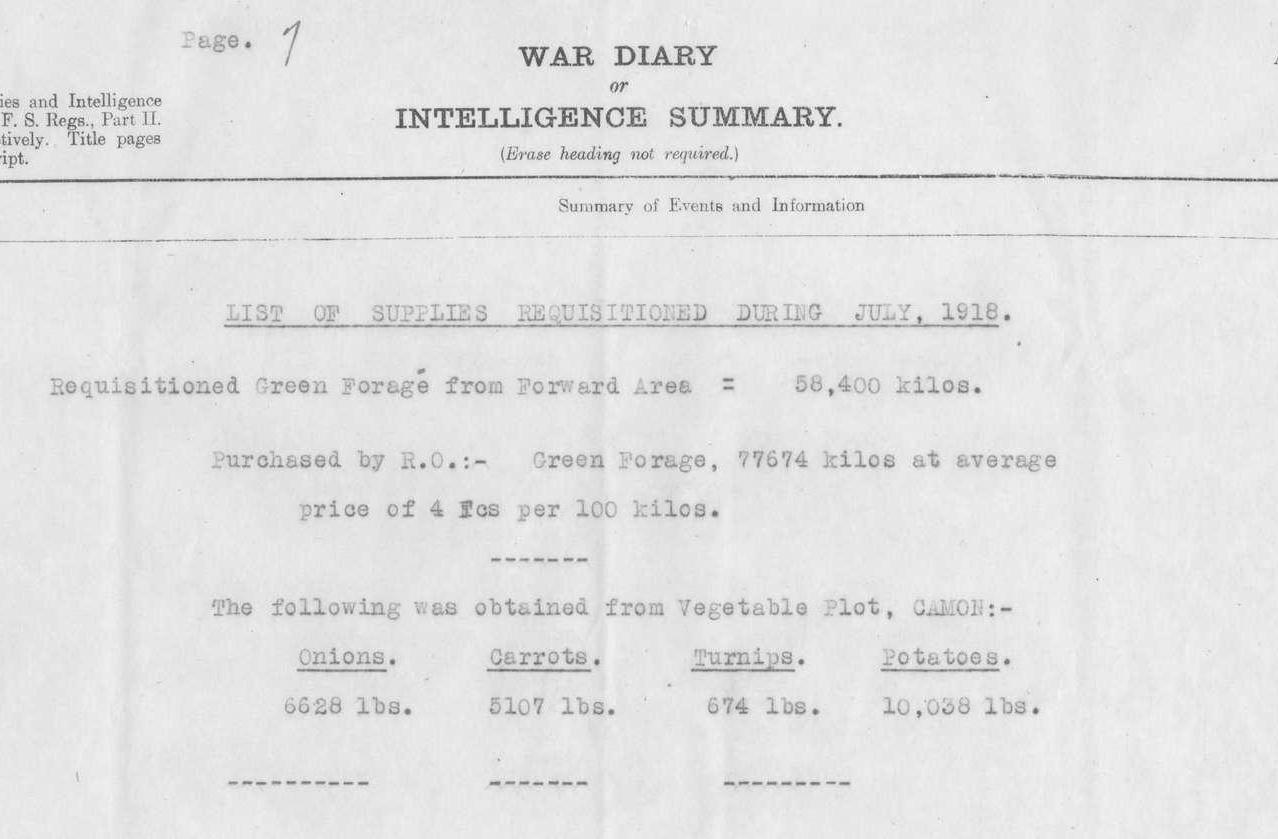
3rd Divisional Train war diaries tell us they paid four French francs per 100 kilos of green forage:
Bon Ap' has a two hour happy hour every day between 15h30 and 17h30. There is free French cheese with every drink:

Please see more articles about the ANZACs
ANZAC.site is maintained by Daniel Pocock